Syphilis Testing & Treatment
Syphilis is a serious bacterial sexually transmitted infection (STI) that has become increasingly prevalent again in the UK and across Europe. After years of decline, reported cases have risen significantly, particularly among sexually active adults. Because early symptoms can be mild or painless, syphilis is often missed, allowing it to progress and spread.
Syphilis is caused by the bacterium Treponema pallidum and requires prompt treatment. When diagnosed early, it is straightforward to treat. If left untreated, however, it can lead to severe long-term complications affecting the brain, heart, and other organs.
What Is Syphilis?
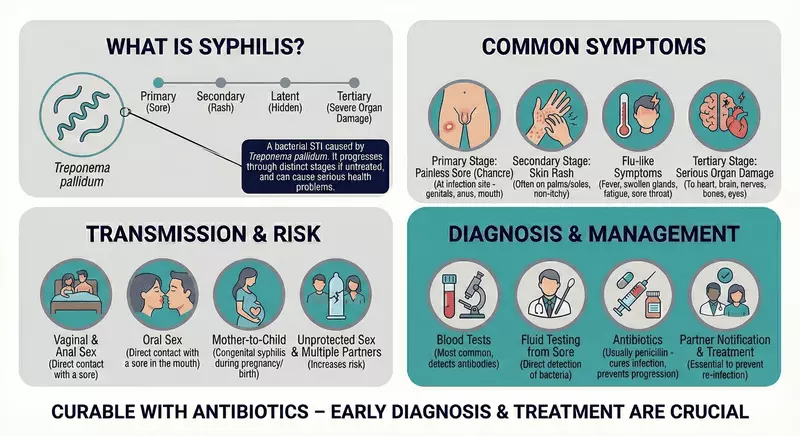
Syphilis is a bacterial infection transmitted primarily through sexual contact, including vaginal, anal, and oral sex. It can also be passed from mother to baby during pregnancy (congenital syphilis), which can cause serious harm to the newborn.
The infection progresses in stages, and symptoms vary depending on how long a person has been infected.
Syphilis is divided into:
-
Primary syphilis
-
Secondary syphilis
-
Latent syphilis
-
Tertiary syphilis
Understanding these stages is crucial because infectivity and complications differ at each point.
Primary Syphilis
The first stage of syphilis typically begins around three weeks after exposure, although this can range from 10 to 90 days.
The hallmark symptom is a chancre, a solitary, firm, painless ulcer that appears at the site of infection. This is usually found on:
-
The genitals
-
The anus
-
The mouth
Because the ulcer is often painless, many people do not notice it. The chancre typically resolves on its own within 3 to 8 weeks, even without treatment.
However, the infection does not disappear. If untreated, it progresses.
During primary syphilis, individuals are highly infectious.
Secondary Syphilis
If primary syphilis is missed, the bacteria spread throughout the body. Secondary syphilis usually develops 1 to 3 months after the initial chancre appears.
Common features include:
-
A widespread rash (often non-itchy)
-
Rash affecting the palms of the hands and soles of the feet
-
Flu-like symptoms
-
Swollen lymph nodes
-
Patchy hair loss
A distinctive feature of secondary syphilis is condylomata lata — moist, wart-like growths that can appear around the anus or perineum.
Like the primary stage, symptoms of secondary syphilis often resolve without treatment within a few months. However, the infection remains active in the body.
Individuals remain highly infectious during the primary and secondary stages.
Latent Syphilis
After secondary symptoms settle, the infection enters the latent phase.
During this stage:
-
There are no visible symptoms
-
Blood tests remain positive
-
The infection is still present
Early latent syphilis (within the first year) may still carry some transmission risk. Later latent syphilis is generally not considered infectious, although vertical transmission in pregnancy remains possible.
In approximately 25% of untreated patients, secondary symptoms may recur during the latent stage.
Without treatment, the infection can remain dormant for years before progressing further.
Tertiary Syphilis
Tertiary syphilis develops in approximately one-third of untreated individuals, often 20 to 40 years after the initial infection.
This stage can cause severe and irreversible damage.
Tertiary syphilis is divided into:
Gummatous Syphilis
Soft tissue growths (gummas) can affect skin, bone, or organs.
Cardiovascular Syphilis
Damage to the heart and major blood vessels, particularly the aorta.
Neurosyphilis
Involvement of the brain and nervous system, leading to memory loss, confusion, stroke-like symptoms, visual disturbance, and psychiatric changes.
Tertiary syphilis can be life-threatening.
Why Early Treatment Matters
Syphilis is much easier to treat in the early stages. Early diagnosis prevents:
-
Ongoing transmission
-
Organ damage
-
Neurological complications
-
Pregnancy complications
The earlier syphilis is treated, the simpler and more effective the treatment is.
Testing for Syphilis
Syphilis is diagnosed through:
Blood Tests
Serological testing detects antibodies against Treponema pallidum. Blood testing is the standard diagnostic method and can identify infection even in the absence of symptoms.
PCR Swab
If a chancre or active lesion is present, a swab may be taken for PCR testing to confirm the diagnosis.
Because syphilis can mimic other conditions, testing is essential for accurate diagnosis.
We often recommend syphilis testing as part of comprehensive STI screening.
Treatment for Syphilis
Syphilis is treated with penicillin injection.
The number of injections depends on the stage of infection:
-
Early syphilis usually requires a single intramuscular injection
-
Late or latent syphilis may require a longer course
-
Neurosyphilis requires specialist hospital treatment
If you are allergic to penicillin, alternative oral antibiotics may be prescribed, although penicillin remains the gold standard treatment.
After treatment, follow-up blood tests are required to ensure the infection has cleared.
Syphilis in Pregnancy
Syphilis can be transmitted from mother to baby during pregnancy, leading to congenital syphilis, miscarriage, or stillbirth.
Routine antenatal screening in the UK includes syphilis testing for this reason.
Prompt treatment during pregnancy dramatically reduces the risk to the baby.
When Should You Get Tested?
You should consider syphilis testing if:
-
You have had unprotected sex
-
You develop a painless genital ulcer
-
You notice a non-itchy rash on your palms or soles
-
A partner has been diagnosed
-
You are starting a new sexual relationship
-
You are part of a group with increased risk
Because early symptoms are often mild, routine screening is an important preventative measure.
Confidential Syphilis Care in Canary Wharf
Syphilis is increasingly common, but it is fully treatable when diagnosed early.
At our private clinic in Canary Wharf, we provide:
-
Same-day appointments
-
Discreet blood testing
-
Rapid treatment
-
Partner notification advice
-
Follow-up blood monitoring
Our approach is professional, confidential, and non-judgmental.
Protecting Your Long-Term Health
Syphilis can cause serious complications if left untreated, but early treatment is highly effective. Because cases are rising again in the UK, regular sexual health screening is more important than ever.
If you are concerned about possible exposure or symptoms, prompt testing provides reassurance and protects your long-term health.
Stay up to date with the latest health news and insights from around the world.
Stay up to date with the latest health news and insights from around the world. From medical breakthroughs to public health updates, we bring you trusted information to help you stay informed and make confident decisions about your health.





Our professional standards
We are an award-winning private medical clinic, recognised for our outstanding reputation in delivering professional, compassionate, and evidence-based healthcare. All our doctors and nurses are fully registered with the appropriate regulatory bodies, including the GMC and RCN, and our clinical team undergoes rigorous annual appraisals to maintain the highest standards of care.
Dr Wayne Cottrell, MBChB, MRCGP, is fully registered with the General Medical Council (GMC), Health Professions Council of South Africa (HPCSA), a member of the Royal College of General Practitioners ( RCGP), and the British Association for Sexual Health and HIV (BASHH), reflecting his ongoing commitment to clinical eCyberdoc Medical Limited, which is registered as a Designated Body





How To Find Us
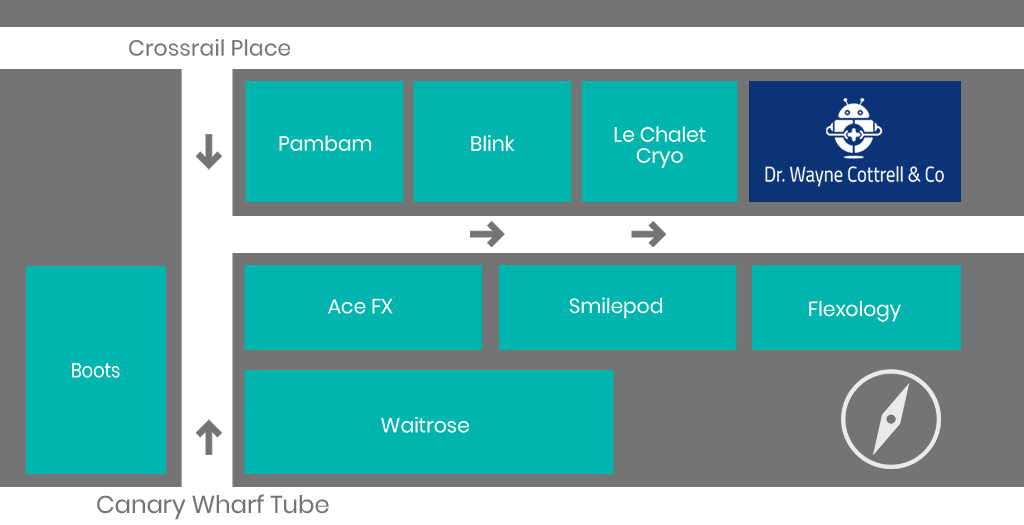
Canada Place Shopping Mall