Designated Yellow Fever Vaccination Centre
Yellow Fever Vaccinations
Yellow Fever is a potentially life-threatening viral infection transmitted by infected mosquitoes in parts of tropical Africa and South America. While many travellers underestimate the risk, Yellow Fever can progress rapidly and has a significant mortality rate in severe cases.
There is no specific antiviral treatment. Prevention through vaccination is the only reliable protection.
Table of Contents
- What Is Yellow Fever?
- Early Symptoms
- Severe Yellow Fever: Haemorrhagic Phase
- Why Vaccination Is Essential
- International Certificate of Vaccination
- How the Vaccine Works
- Who Should Not Receive the Vaccine?
- Side Effects and Safety
- Planning Your Travel Health Appointment
- Designated Yellow Fever Vaccination Centre
- Why Choose a Private GP for Yellow Fever Vaccination?
- Protecting Yourself and Others

What Is Yellow Fever?
Yellow Fever is caused by a flavivirus spread through the bite of infected Aedes or Haemagogus mosquitoes. The virus circulates in endemic regions, particularly in sub-Saharan Africa and parts of Central and South America.
Transmission occurs through mosquito bites rather than direct person-to-person contact. Travellers visiting affected areas, even for short periods, may be at risk, particularly in rural areas, jungle environments, or during outbreaks.
Following a mosquito bite, symptoms typically develop within 3 to 6 days.
Early Symptoms
The initial phase of Yellow Fever can resemble other viral illnesses and may be mistaken for flu or malaria. Early symptoms commonly include:
-
Fever
-
Headache
-
Muscle aches and back pain
-
Loss of appetite
-
Nausea and vomiting
-
General fatigue
In many individuals, symptoms improve after several days, and recovery occurs without complications. However, this improvement can be misleading.
Severe Yellow Fever: Haemorrhagic Phase
Approximately 15–25% of patients progress to a more serious form of the disease within 24 hours of initial recovery. This second phase is known as acute haemorrhagic fever.
At this stage, the virus affects multiple organs, particularly the liver and kidneys. Symptoms may include:
-
Jaundice (yellowing of the skin and eyes)
-
Bleeding from the nose, mouth, or gastrointestinal tract
-
Abdominal pain
-
Kidney dysfunction
In severe cases, patients may develop shock, multi-organ failure, and internal bleeding. Mortality rates in this phase are estimated at 20–50%.
There is no specific treatment for Yellow Fever beyond supportive hospital care. For this reason, vaccination remains the cornerstone of prevention.
Why Vaccination Is Essential
Vaccination protects not only the individual traveller but also helps prevent the international spread of the virus. Because Yellow Fever can have serious public health consequences, many countries enforce strict vaccination requirements.
Vaccination is recommended and in many cases legally required for travellers visiting endemic regions.
Whether you require the vaccine depends on:
-
Your destination country
-
Transit through endemic areas
-
Duration and type of travel
-
Your medical history
A travel health consultation ensures accurate, personalised advice.
International Certificate of Vaccination
Many countries require proof of Yellow Fever vaccination as a condition of entry. This proof is documented in the International Certificate of Vaccination or Prophylaxis (ICVP), commonly referred to as the “Yellow Card.”
If you are travelling to a country that requires certification and you are not vaccinated, you may be:
-
Refused entry
-
Quarantined
-
Denied boarding by airlines
The vaccine becomes valid 10 days after administration, and the certificate is only recognised after this period. It is therefore essential to plan vaccination well in advance of travel.
Once issued, the certificate is valid for life
How the Vaccine Works
The Yellow Fever vaccine is a live attenuated vaccine, meaning it contains a weakened form of the virus that stimulates immune protection without causing disease in healthy individuals.
Immunity develops within 10 days in most people and provides lifelong protection after a single dose.
Because it is a live vaccine, it is not suitable for everyone.
Who Should Not Receive the Vaccine?
The Yellow Fever vaccine may not be appropriate for:
-
Individuals with weakened immune systems
-
Those undergoing chemotherapy
-
People with advanced HIV infection
-
Pregnant women (unless risk outweighs benefit)
-
Infants under 9 months of age
It should also not be administered within one month of another live vaccine, such as MMR or chickenpox, unless specifically advised.
A detailed medical assessment is essential before vaccination to ensure safety.
Side Effects and Safety
The Yellow Fever vaccine is generally very safe. Most people experience either no side effects or only mild symptoms such as:
-
Low-grade fever
-
Headache
-
Muscle aches
-
Mild injection site discomfort
Serious adverse reactions are rare but will be discussed during your consultation. As a designated centre, we follow strict national guidance to ensure safe administration.
Planning Your Travel Health Appointment
Because the vaccine takes 10 days to become effective, we recommend booking your travel consultation at least 3–4 weeks before departure. This allows time to:
-
Assess your travel itinerary
-
Confirm certificate requirements
-
Review your medical history
-
Administer other required travel vaccines
Many travellers require additional vaccinations or malaria advice depending on the destination.
Designated Yellow Fever Vaccination Centre
Yellow Fever vaccination can only be administered at a registered Designated Yellow Fever Centre by specially trained doctors or nurses. This ensures:
-
Correct storage and handling of the vaccine
-
Proper certification
-
Accurate risk assessment
-
Compliance with international regulations
Our clinic is fully accredited and authorised to administer the Yellow Fever vaccination and issue official certification.
Why Choose a Private GP for Yellow Fever Vaccination?
Travellers often underestimate the complexity of vaccine requirements. A private GP setting provides:
-
Personalised risk assessment
-
Discreet consultation
-
Same-day appointments
-
Comprehensive travel health advice
-
Official certification issued onsite
We ensure your vaccination records are accurate, compliant, and recognised internationally.
Protecting Yourself and Others
Yellow Fever remains a serious global health threat. While outbreaks are sporadic, the consequences of severe infection can be devastating. Vaccination offers safe, long-term protection and prevents transmission across borders.
If you are travelling to Africa or South America or transiting through affected regions, a professional travel consultation is essential.
Book your Yellow Fever vaccination appointment today and travel with confidence.
Stay up to date with the latest health news and insights from around the world.
Stay up to date with the latest health news and insights from around the world. From medical breakthroughs to public health updates, we bring you trusted information to help you stay informed and make confident decisions about your health.




Our professional standards
We are an award-winning private medical clinic, recognised for our outstanding reputation in delivering professional, compassionate, and evidence-based healthcare. All our doctors and nurses are fully registered with the appropriate regulatory bodies, including the GMC and RCN, and our clinical team undergoes rigorous annual appraisals to maintain the highest standards of care.
Dr Wayne Cottrell, MBChB, MRCGP, is fully registered with the General Medical Council (GMC), Health Professions Council of South Africa (HPCSA), a member of the Royal College of General Practitioners ( RCGP), and the British Association for Sexual Health and HIV (BASHH), reflecting his ongoing commitment to clinical eCyberdoc Medical Limited, which is registered as a Designated Body





How To Find Us
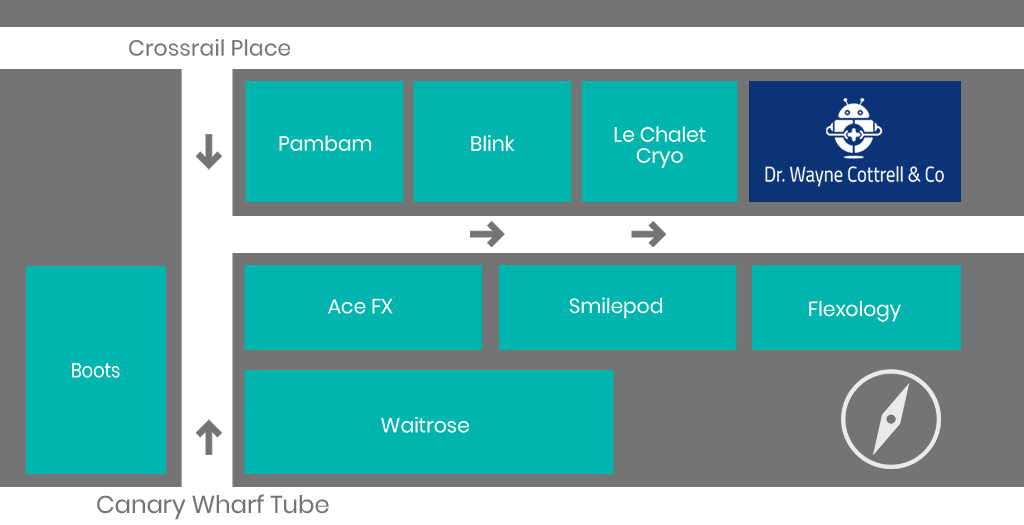
Canada Place Shopping Mall