Scabies Treatment
Scabies is a highly contagious parasitic skin infection caused by the mite Sarcoptes scabiei. It spreads through prolonged skin-to-skin contact and can also be transmitted during sexual contact. Although not exclusively a sexually transmitted infection (STI), it is commonly diagnosed in sexual health settings because of the close physical contact involved.
While scabies is uncomfortable and distressing, it is treatable. Early diagnosis and correct treatment are essential to prevent ongoing spread and reinfection.
What Causes Scabies?
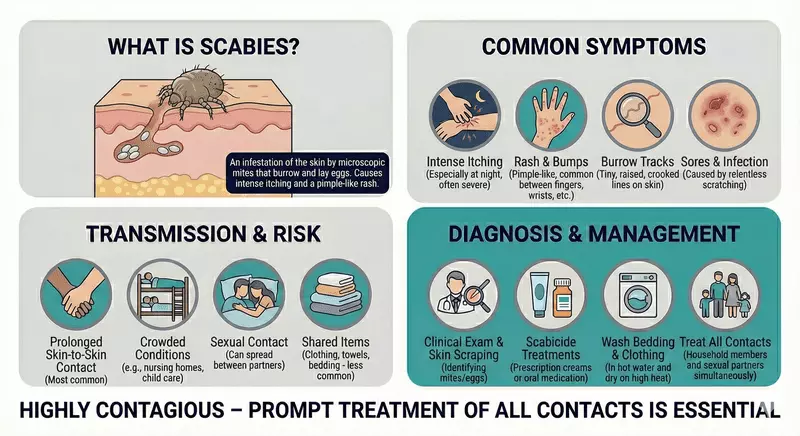
Scabies occurs when microscopic mites burrow into the outer layer of the skin, where they lay eggs. The body’s immune response to the mites and their waste products causes intense itching and inflammation.
Transmission typically happens through:
-
Prolonged skin-to-skin contact
-
Sexual contact
-
Close household contact
-
Sharing bedding or clothing (less common, but possible)
Brief contact, such as a handshake, is unlikely to spread infection. However, people living in the same household or sharing a bed are at higher risk.
How Long After Contact Do Symptoms Appear?
Symptoms usually begin 2 to 6 weeks after initial exposure. If you have had scabies before, symptoms may develop much sooner — sometimes within a few days — because your immune system recognises the infestation.
During the symptom-free incubation period, you can still pass scabies on to others.
Symptoms of Scabies
The hallmark symptom of scabies is intense itching, which often becomes worse at night. The itching can affect the entire body, even in areas without a visible rash.
Other common signs include:
-
A widespread itchy rash
-
Small, inflamed, red spots
-
Fine, thread-like burrow lines on the skin
-
Skin thickening from repeated scratching
Commonly affected areas include:
-
Between the fingers
-
Wrists
-
Elbows
-
Around the waist
-
Genitals
-
Buttocks
-
Breasts
In men, itching and rash around the penis or scrotum are common. In women, the nipples and genital area may be affected.
Scratching can lead to secondary bacterial infection, causing crusting, oozing, or worsening inflammation.
Is Scabies an STI?
Scabies is not technically classified as a sexually transmitted infection. However, because it spreads through close physical contact, it is commonly transmitted during sexual activity.
For this reason, if scabies is diagnosed, we often recommend screening for other STIs if there has been recent unprotected sexual contact.
Partners should also be treated simultaneously to prevent reinfection.
Diagnosis
Scabies is usually diagnosed clinically based on:
-
Typical symptoms
-
Characteristic rash distribution
-
History of close contact
In some cases, a doctor may closely examine the skin under magnification to identify burrows. Laboratory testing is rarely required.
Because other skin conditions (such as eczema, dermatitis, or allergic reactions) can look similar, professional assessment ensures correct treatment.
Treatment for Scabies
Scabies is treated with a prescription topical medication, most commonly a permethrin-based cream. Despite the common misconception, it is not treated with shampoo alone — the medication must be applied thoroughly to the entire body.
How Treatment Works
The cream is applied to:
-
The whole body from the neck down
-
Including between fingers and toes
-
Under nails
-
Around the genital area
In some cases (such as elderly patients or young children), treatment may also include the scalp and face.
The cream is left on for the recommended period (usually 8–12 hours) and then washed off. A second application is typically required 7 days later to kill any newly hatched mites.
It is essential that:
-
All household members are treated at the same time
-
Sexual partners are treated simultaneously
-
Treatment instructions are followed precisely
Washing Clothes and Bedding
Because mites can survive briefly off the body, environmental measures are important.
You should:
-
Wash all clothing, bedding, and towels used in the previous 3 days at 60°C or higher
-
Tumble dry on a hot setting if possible
-
Seal non-washable items in a plastic bag for at least 72 hours
Vacuum mattresses and soft furnishings.
These steps significantly reduce the risk of reinfection.
Ongoing Itching After Treatment
It is important to understand that itching may persist for 2–4 weeks after successful treatment. This does not necessarily mean treatment has failed. The immune system can continue reacting to dead mites and residual debris.
Moisturisers and mild topical steroids may be recommended to soothe irritation.
However, if symptoms worsen or new burrows appear, reassessment is advised.
Complications
If left untreated, scabies can lead to:
-
Secondary bacterial skin infection
-
Cellulitis
-
Persistent eczema-like skin changes
-
Ongoing transmission to close contacts
In vulnerable individuals, particularly those with weakened immune systems, a more severe form called crusted (Norwegian) scabies can develop. This requires specialist treatment.
When Should You Seek Medical Advice?
You should arrange an assessment if:
-
You have persistent itching without a clear cause
-
A partner or household member has been diagnosed
-
You have a new widespread, itchy rash
-
Symptoms are affecting sleep or quality of life
Early treatment prevents spread and reduces discomfort.
Discreet Sexual Health Care in Canary Wharf
Scabies is common and treatable, but it can feel embarrassing. Our clinic provides confidential, discreet sexual health assessment and treatment within a professional sexual health setting.
If needed, we can also provide:
-
STI screening
-
Partner advice
-
Follow-up care
-
Written treatment guidance
Prompt diagnosis and coordinated treatment ensure fast resolution and protect those around you.
Stay up to date with the latest health news and insights from around the world.
Stay up to date with the latest health news and insights from around the world. From medical breakthroughs to public health updates, we bring you trusted information to help you stay informed and make confident decisions about your health.





Our professional standards
We are an award-winning private medical clinic, recognised for our outstanding reputation in delivering professional, compassionate, and evidence-based healthcare. All our doctors and nurses are fully registered with the appropriate regulatory bodies, including the GMC and RCN, and our clinical team undergoes rigorous annual appraisals to maintain the highest standards of care.
Dr Wayne Cottrell, MBChB, MRCGP, is fully registered with the General Medical Council (GMC), Health Professions Council of South Africa (HPCSA), a member of the Royal College of General Practitioners ( RCGP), and the British Association for Sexual Health and HIV (BASHH), reflecting his ongoing commitment to clinical eCyberdoc Medical Limited, which is registered as a Designated Body






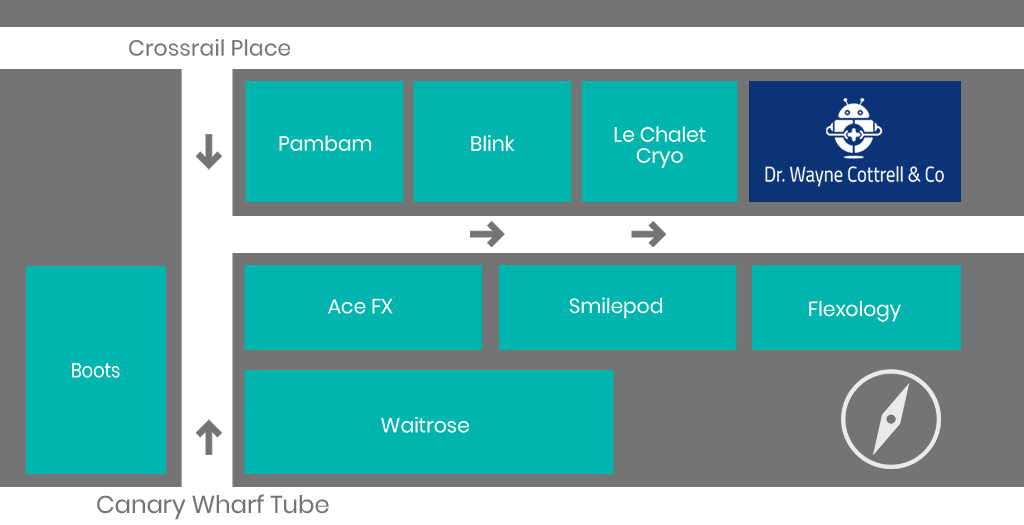
How To Find Us
Canada Place Shopping Mall