Sexual health is an important part of women’s overall health, but it is still something many people find difficult to talk about.
Concerns about embarrassment, intimate examinations, confidentiality or being judged can sometimes mean women delay seeking advice. Others may simply be unsure whether a change in discharge, bleeding, discomfort or another symptom is something that needs checking.
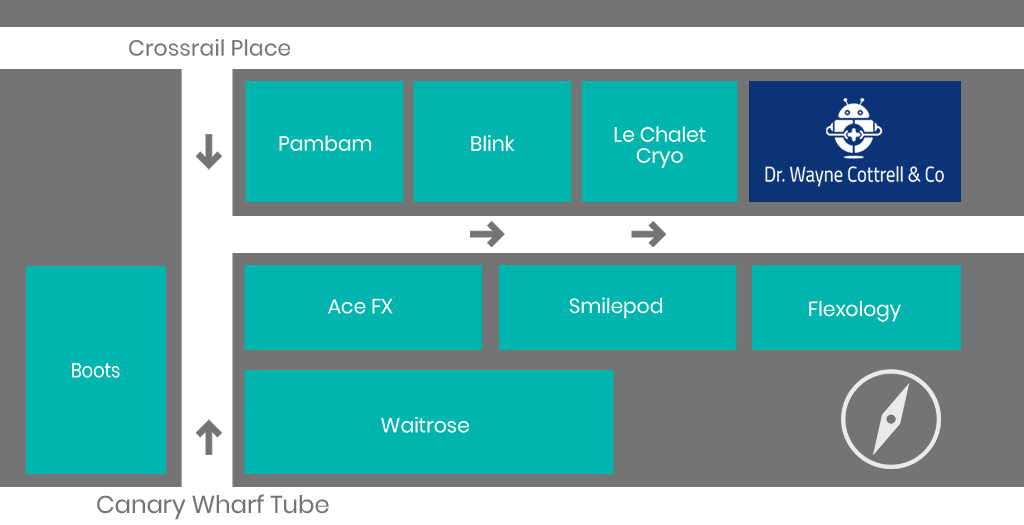
At Dr Wayne Cottrell & Co in Canary Wharf, we believe women’s sexual healthcare should be straightforward, confidential and free from judgement.
Whether you would like an STI test, have concerns about contraception, need advice about HPV, are experiencing unusual symptoms or simply want to discuss your sexual health with a GP, asking for advice is a perfectly normal part of looking after your health.
Women’s Sexual Health in 2026
Sexual healthcare has changed considerably in recent years.
Patients now have more options for accessing testing and advice, including face-to-face appointments, online services and self-sampling for some tests.
In fact, UK Health Security Agency figures show that 42.2% of sexual health consultations in England during 2025 took place online, while just over half were face-to-face.
However, sexually transmitted infections remain common.
There were 334,151 new STI diagnoses in England in 2025. Chlamydia remained the most commonly diagnosed STI, followed by gonorrhoea, genital herpes and genital warts. Although total STI diagnoses fell compared with 2024, UKHSA continues to emphasise the importance of testing, prevention and access to sexual health services.
For women in particular, some infections can cause complications if they are not identified and treated.
That is one reason why testing shouldn’t only be considered when symptoms appear.
Can You Have an STI Without Symptoms?
Yes.
One of the biggest misconceptions about sexual health is that you would automatically know if you had an STI.
Many sexually transmitted infections can cause few or no symptoms, particularly in their early stages.
This means someone can feel completely well while still having an infection and potentially passing it to a sexual partner.
STI testing may therefore be worth considering if:
- you have had sex without a condom with a new partner
- you have changed sexual partners
- a partner has told you they have an STI
- you have symptoms that concern you
- a condom has split or come off
- you would like reassurance before stopping condoms with a partner
- you are starting a new relationship and would both like testing
- you simply have concerns about your sexual health
NHS sexual health services provide testing for infections including chlamydia, gonorrhoea, syphilis and HIV, and private testing is also available.
What Symptoms Should Women Look Out For?
Many symptoms affecting the vagina, vulva or pelvic area have causes other than sexually transmitted infections, so noticing one does not mean that you have an STI.
However, it is sensible to seek medical advice if you develop symptoms such as:
- unusual vaginal discharge
- a change in the smell, colour or consistency of discharge
- pain when passing urine
- pelvic or lower abdominal pain
- pain during sex
- bleeding after sex
- bleeding between periods
- sores, blisters, lumps or ulcers around the genital area
- genital itching or irritation
- unusual bleeding following the menopause
Depending on your symptoms, testing may be appropriate for an STI, but a GP may also consider other possible causes such as bacterial vaginosis, thrush, urinary infection, hormonal changes or a gynaecological condition.
The important thing is not to self-diagnose solely from symptoms or information found online.
STI Testing in Canary Wharf
At Dr Wayne Cottrell & Co, we provide confidential sexual health consultations and STI testing in Canary Wharf.
The tests recommended will depend on your circumstances, symptoms, sexual history and the timing of any potential exposure.
Testing may involve:
- urine samples
- vaginal swabs
- blood tests
- examination where clinically appropriate
Not every patient requires every test.
An assessment allows us to consider which infections are relevant and whether there is an appropriate window period before a particular test will give a reliable result.
If you are worried about having an intimate examination, please say so. It is often possible to discuss your concerns first and explain exactly what, if anything, an examination would involve.
You remain in control of your consultation.
Cervical Screening Is Not the Same as an STI Test
This is an important distinction.
A cervical screening test is not a general sexual health or STI screening test.
Cervical screening looks primarily for high-risk types of human papillomavirus (HPV) that can cause changes to cells in the cervix and potentially lead to cervical cancer.
In England, women and other people with a cervix are routinely invited for cervical screening between the ages of 25 and 64. The routine invitation interval is now every five years, although people who test positive for HPV may be invited more frequently.
So even if your cervical screening result is normal, this does not mean you have tested negative for chlamydia, gonorrhoea, syphilis, HIV or other STIs.
Likewise, having a full STI screen does not replace attending cervical screening when you are invited.
Cervical Screening Is Changing
There have been some important developments in cervical screening.
England moved to five-year screening intervals for eligible people following a negative HPV result, reflecting the effectiveness of HPV testing at identifying those at very low risk of developing cervical cancer.
Another important development is HPV self-sampling.
From 2026, some people who are eligible for cervical screening but have rarely or never attended may be offered the opportunity to take their own vaginal sample for HPV testing.
The aim is to make screening more accessible for people who may otherwise avoid a traditional cervical screening appointment because of embarrassment, previous experiences, discomfort or other barriers.
If you have received a cervical screening invitation and have concerns about attending, speak to a healthcare professional rather than simply ignoring it. There may be options that make the process more comfortable.
Bleeding After Sex or Between Periods Should Be Checked
Bleeding after sex can have several possible causes, many of which are not serious.
However, it should still be discussed with a healthcare professional, particularly if it happens repeatedly.
Similarly, you should seek medical advice if you experience:
- unexplained bleeding between periods
- persistent unusual vaginal discharge
- bleeding after sex
- bleeding after the menopause
The NHS specifically advises women experiencing bleeding between periods, during or after sex, or after the menopause not to wait until their next routine cervical screening appointment before seeking medical advice.
Cervical screening is designed for people without symptoms. New symptoms require assessment in their own right.
Contraception and Sexual Health
Women’s sexual health involves much more than STI testing.
Contraception needs can change throughout life and may need to be reviewed because of:
- a new relationship
- side effects from current contraception
- changes in menstrual bleeding
- migraines
- blood pressure
- smoking
- changes in weight or health
- planning a pregnancy
- approaching perimenopause
- wanting a longer-acting form of contraception
Options can include condoms, contraceptive pills, patches, vaginal rings, injections, implants and intrauterine contraception such as the copper coil or hormonal coil.
The right option depends on your medical history, preferences and individual circumstances.
A GP consultation provides an opportunity to discuss the advantages and disadvantages rather than simply choosing a method because it is the one you have always used.
HPV and Women’s Sexual Health
Human papillomavirus, or HPV, is extremely common.
There are many types of HPV. Most infections cause no symptoms and clear naturally, but some high-risk types can cause changes to cells that may eventually lead to cancer.
HPV is particularly important in women’s healthcare because persistent high-risk HPV infection is responsible for almost all cases of cervical cancer.
Vaccination provides protection against important types of HPV, while cervical screening helps identify high-risk HPV and associated cell changes.
You can read more about HPV and HPV vaccination on our website.
HIV Prevention: PrEP and PEP
HIV prevention has also changed significantly since the original version of this article was written.
PrEP – pre-exposure prophylaxis – is now available free through NHS sexual health services for people at increased risk of acquiring HIV. It works by taking HIV medication before potential exposure to reduce the risk of infection.
PrEP is relevant to people of all genders. Women should not assume that HIV prevention is something that only needs to be discussed with gay and bisexual men.
There is also PEP – post-exposure prophylaxis.
PEP is an emergency course of HIV medication that may be appropriate following a recent potential exposure. It needs to be started quickly and the NHS advises seeking PEP within 72 hours of possible exposure through a sexual health clinic or A&E.
If you think you may have been recently exposed to HIV, do not wait for a routine private GP appointment if doing so would delay access to PEP.
A Current Concern: Syphilis in Women
Although overall STI diagnoses in England fell during 2025, one trend deserves particular attention.
UKHSA reported that diagnoses of infectious syphilis among heterosexual and bisexual women who have sex with men increased by 4.8% between 2024 and 2025, from 838 to 878 diagnoses.
These numbers are much lower than diagnoses of infections such as chlamydia or gonorrhoea, but the trend reinforces why sexual health screening should not focus on a single infection.
Which tests are appropriate should be determined by someone’s individual risk and circumstances.
Women’s Health with Dr Jes Dhatt
Patients who would prefer to discuss their health with a female doctor can book with Dr Jesvina Dhatt, GP at Dr Wayne Cottrell & Co.
Dr Jes Dhatt has particular interests in:
- Women’s Health
- Lifestyle Medicine
- Preventive Care
- Surgical Assessment
Her focus on women’s health complements the wider GP and sexual health services available through the practice.
Women’s sexual health can overlap considerably with other areas of health.
Changes in periods, contraception, vaginal symptoms, sexual discomfort, fertility, pregnancy, perimenopause and menopause do not necessarily fit neatly into separate boxes. Having the opportunity to discuss the whole picture can therefore be valuable.
You can read more about our Women’s Health services in Canary Wharf, which currently include areas such as cervical screening, HPV testing, STI screening and menopause care.
Sexual Healthcare Without Judgement
There should be no embarrassment attached to asking for an STI test or talking about sexual health.
You do not have to justify:
- how many partners you have had
- your sexuality
- your relationship status
- why you did or did not use a condom
- why you want an STI test
- why you are considering contraception
- why you are worried
Healthcare professionals may ask questions about your sexual history because the answers help determine which tests or treatments may be appropriate — not to judge your choices.
Dr Wayne Cottrell & Co provides sexual healthcare to patients from across the community, including LGBTQIA+ patients. Our aim is to provide clear, respectful and evidence-based advice.
When Should I Book a Women’s Sexual Health Check?
There isn’t a single timetable that applies to everyone.
You may want to arrange an appointment if:
- you have symptoms
- you’ve had sex without a condom with a new partner
- you are starting a new relationship
- a partner has been diagnosed with an STI
- you want an STI screen for reassurance
- you need contraception advice
- you’ve experienced bleeding after sex
- you’re concerned about HPV
- you’re unsure when your cervical screening is due
- you want to discuss HIV prevention
- something simply doesn’t feel normal for you
If you have no symptoms but would like screening, testing can still be appropriate.
Women’s Sexual Health and STI Testing in Canary Wharf
At Dr Wayne Cottrell & Co, we provide private and confidential women’s sexual health services in Canary Wharf, including STI testing and broader women’s health consultations.
You can book an appointment online or contact the practice on:
020 4579 3971
You do not need to wait until a sexual health concern becomes a serious problem before asking for advice.
Whether you have symptoms, would like reassurance, need contraception advice or simply want to understand your sexual health better, we are here to help.