Polycystic Syndrome (PCOS)
Polycystic Ovary Syndrome (PCOS) is one of the most common hormonal conditions affecting women of reproductive age in the UK. Many women have features of PCOS without obvious symptoms, which is why it can go undiagnosed. Early identification and appropriate management are important not only for symptom control, but also for protecting long-term metabolic, reproductive and cardiovascular health.
PCOS can affect menstrual cycles, fertility, hormone balance, skin, hair growth and weight regulation. At Dr Wayne Cottrell & Co, we provide comprehensive assessment, evidence-based management, and referral to specialist services where needed, in line with current UK clinical guidance.
What is Polycystic Ovary Syndrome?
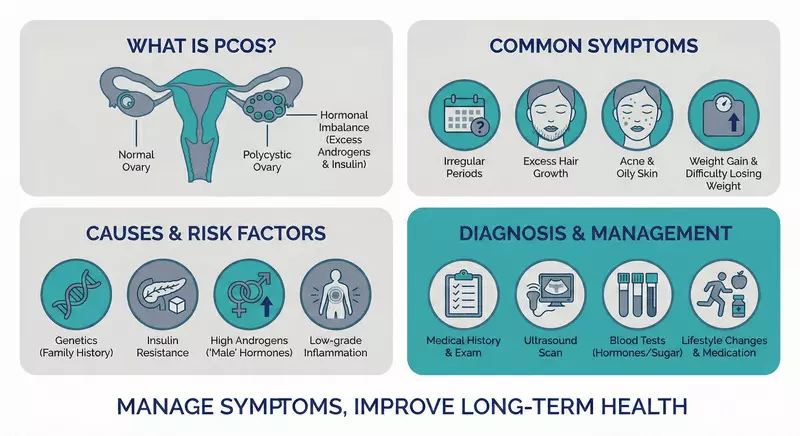
Polycystic Ovary Syndrome is a complex endocrine disorder characterised by hormonal imbalance and disrupted ovulation. It is sometimes referred to simply as PCOS. The condition typically develops during adolescence or early adulthood, with many women first noticing symptoms in their late teens or twenties.
PCOS is not simply a “gynaecological issue”; it is a metabolic and hormonal condition with potential long-term implications. According to the National Institute for Health and Care Excellence (NICE), careful assessment and ongoing monitoring are important for reducing associated risks, such as type 2 diabetes and cardiovascular disease.
How PCOS Affects the Ovaries
In a typical menstrual cycle, follicles within the ovaries mature, and one dominant follicle releases an egg (ovulation). In PCOS, this process is disrupted. Multiple small follicles may begin to develop but fail to mature fully. Instead of releasing an egg, these follicles remain within the ovary and may appear as small cyst-like structures on ultrasound.
It is important to note that the “cysts” seen in PCOS are not true pathological cysts, but rather immature follicles that have not completed development. Because ovulation does not occur regularly, menstrual cycles may become irregular or absent.
Hormonal imbalance is central to PCOS. Elevated levels of androgens (male-type hormones present naturally in women in small amounts) contribute to many of the physical symptoms.
Key Features of PCOS
PCOS is diagnosed based on established criteria, often referred to as the Rotterdam criteria. A diagnosis is typically made when at least two of the following are present:
- Irregular or absent ovulation
- Clinical or biochemical signs of elevated androgens
- Polycystic ovarian appearance on ultrasound
Not all women will have all features, and the condition can present differently from one individual to another.
Symptoms of PCOS
Symptoms vary in severity and combination. Some women experience only mild menstrual irregularity, while others have more pronounced hormonal and metabolic symptoms.
Common symptoms include irregular periods or absence of periods, difficulty conceiving, excessive facial or body hair growth (hirsutism), thinning scalp hair, acne, weight gain and low mood or depression.
Menstrual irregularity occurs because ovulation is inconsistent. Without ovulation, the body does not produce progesterone in the usual pattern, leading to infrequent or unpredictable bleeding.
Elevated androgen levels contribute to acne, excess hair growth and scalp hair thinning. These symptoms can significantly affect confidence and psychological well-being.
Weight gain, particularly around the abdomen, is common in PCOS and is linked to insulin resistance — a key underlying metabolic feature of the condition.
Importantly, not all women with PCOS will experience every symptom, and some may have minimal outward signs.
Long-Term Health Risks & Complications
PCOS is associated with several longer-term health considerations that require proactive monitoring and management.
Women with PCOS have an increased risk of developing insulin resistance, which can progress to type 2 diabetes. The NHS highlights that women with PCOS are significantly more likely to develop impaired glucose tolerance.
There is also an elevated risk of high cholesterol and cardiovascular disease. Hormonal imbalance and metabolic dysfunction may contribute to these risks over time.
Irregular or absent menstrual cycles can increase the risk of endometrial thickening if not managed appropriately, due to prolonged exposure to oestrogen without progesterone balance.
Psychological impact should not be underestimated. Anxiety, depression and body image concerns are more common among women with PCOS.
How PCOS is Diagnosed
Diagnosis begins with a thorough medical history, including menstrual pattern, weight history, skin and hair changes, and family history of metabolic conditions. A physical examination may be undertaken to assess body mass index (BMI), blood pressure, and visible signs of androgen excess.
Investigations are used to confirm the diagnosis and exclude other potential causes of symptoms.
Blood Tests & Hormonal Assessment
Blood testing plays a central role in diagnosis. Hormonal investigations may include luteinising hormone (LH), follicle-stimulating hormone (FSH), testosterone, sex hormone-binding globulin (SHBG), prolactin and thyroid function tests.
These tests help identify androgen excess and rule out alternative endocrine disorders such as thyroid disease or hyperprolactinaemia.
Metabolic screening is also important. Fasting glucose or HbA1c testing may be recommended to assess diabetes risk, particularly in women who are overweight or have a family history of metabolic disease.
Ultrasound & Imaging
An ultrasound scan of the ovaries may demonstrate the characteristic “polycystic” appearance — multiple small follicles arranged around the periphery of the ovary.
It is important to emphasise that ultrasound findings alone do not confirm PCOS; clinical and hormonal features must also be considered. Some women may have polycystic-appearing ovaries without having the syndrome.
Treatment & Symptom Management
There is currently no cure for PCOS, but symptoms can be effectively managed with a personalised treatment plan. Management depends on individual priorities, such as menstrual regulation, fertility, skin concerns or metabolic health.
Treatment strategies may include hormonal contraception to regulate periods, medication to reduce androgen effects, and insulin-sensitising medication such as metformin.
Metformin can improve insulin resistance and may help regulate cycles in some women, particularly those with metabolic features.
Treatments for excess hair growth and acne are available and may include topical therapies, oral medication or referral to dermatology services.
Fertility & PCOS
PCOS is one of the most common causes of ovulatory infertility. However, many women with PCOS conceive successfully with appropriate treatment.
Ovulation induction medication can stimulate egg release in women who do not ovulate regularly. In some cases, assisted reproductive techniques such as in vitro fertilisation (IVF) may be recommended.
Weight management can significantly improve ovulatory function. Even modest weight reduction can restore regular cycles in some women.
Lifestyle, Weight & Metabolic Health
Lifestyle intervention is a cornerstone of PCOS management. A structured, sustainable approach to diet and physical activity can improve insulin sensitivity and reduce symptom severity.
Evidence supports:
- Gradual weight reduction through balanced nutrition and regular exercise
Even a 5–10% reduction in body weight can improve menstrual regularity and metabolic markers in women who are overweight.
Long-term monitoring of blood pressure, cholesterol and glucose levels is recommended to reduce cardiovascular risk.
When to Seek Medical Advice
Medical assessment is advisable if you experience irregular periods, excessive hair growth, acne resistant to treatment, unexplained weight gain, or difficulty conceiving. Early evaluation allows appropriate investigations to be undertaken and reduces the risk of long-term complications.
At Dr Wayne Cottrell & Co, we provide comprehensive assessment, arrange diagnostic blood tests and imaging, and offer clear, evidence-based guidance. Where specialist input is required, we facilitate referral to leading endocrinology and fertility services.
If you are concerned about symptoms of PCOS or would like a structured hormonal assessment, please contact the clinic to arrange a women’s health consultation.
Stay up to date with the latest health news and insights from around the world.
Stay up to date with the latest health news and insights from around the world. From medical breakthroughs to public health updates, we bring you trusted information to help you stay informed and make confident decisions about your health.





Our professional standards
We are an award-winning private medical clinic, recognised for our outstanding reputation in delivering professional, compassionate, and evidence-based healthcare. All our doctors and nurses are fully registered with the appropriate regulatory bodies, including the GMC and RCN, and our clinical team undergoes rigorous annual appraisals to maintain the highest standards of care.
Dr Wayne Cottrell, MBChB, MRCGP, is fully registered with the General Medical Council (GMC), Health Professions Council of South Africa (HPCSA), a member of the Royal College of General Practitioners ( RCGP), and the British Association for Sexual Health and HIV (BASHH), reflecting his ongoing commitment to clinical eCyberdoc Medical Limited, which is registered as a Designated Body




How To Find Us
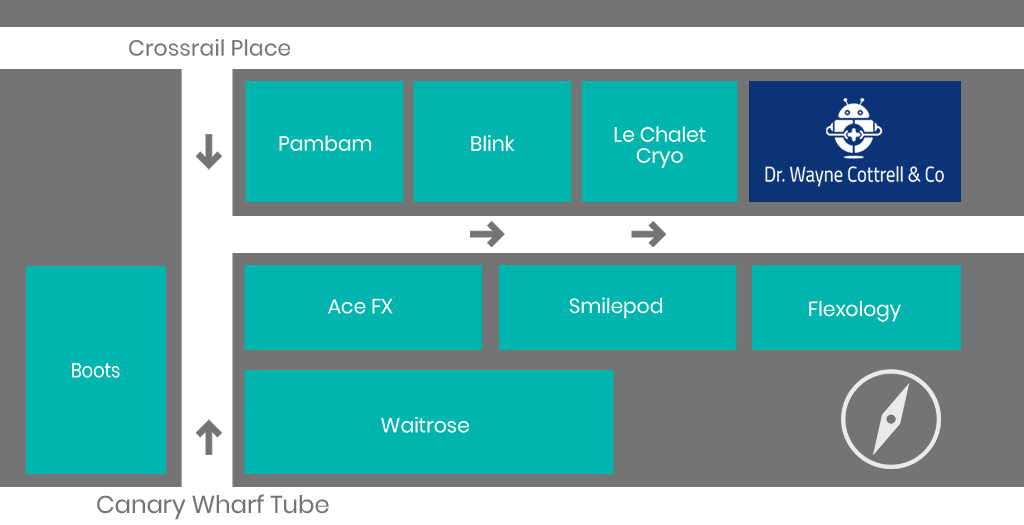
Canada Place Shopping Mall