Men’s Health Month: Important Health Checks Every Man Should Consider
Men’s Health Month is a useful reminder to think about the health issues that can easily be pushed to one side.
In general practice, it is not unusual to see men who have been putting off a health concern for months. Sometimes it is because they are busy, sometimes because the symptoms seem minor, and sometimes because they simply hope the problem will go away on its own.
But looking after your health does not need to start with something being wrong.
Preventive healthcare is about understanding your individual risks, recognising changes early and making informed decisions about your health before problems begin to interfere with everyday life.
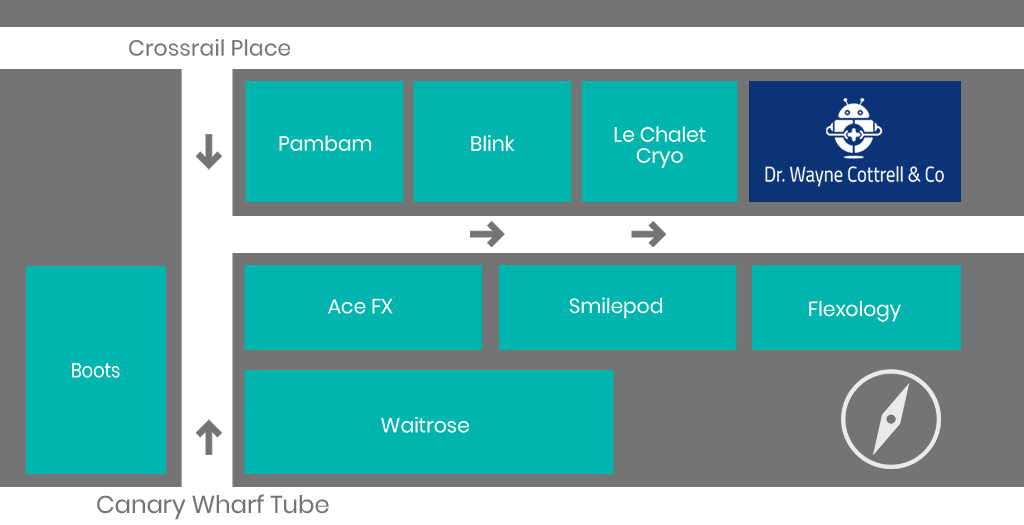
At Dr Wayne Cottrell & Co in Canary Wharf, we encourage men to think beyond the idea of an annual “MOT”. There is no single set of tests that every man needs every year. The right health checks depend on your age, medical history, family history, ethnicity, lifestyle, symptoms and existing risk factors.
There are, however, four important areas of men’s health that are worth reviewing regularly.
1. Heart and Cardiovascular Health
Heart and circulatory health should be an important consideration throughout adult life.
Some of the major risk factors for cardiovascular disease can develop without causing obvious symptoms. High blood pressure and raised cholesterol, for example, may be present for years before someone becomes aware of them.
A cardiovascular health assessment may consider:
- blood pressure
- cholesterol
- blood glucose or diabetes risk
- weight and BMI
- smoking
- alcohol intake
- physical activity
- diet
- family history
- existing medical conditions
Rather than looking at one result in isolation, these factors can be used together to assess your overall cardiovascular risk.
NICE recommends the use of QRISK3 to estimate the 10-year risk of cardiovascular disease for appropriate adults aged between 25 and 84 who do not already have cardiovascular disease.
For people aged 40 to 74 who meet the eligibility criteria, the NHS Health Check programme also provides cardiovascular risk assessment every five years.
That does not mean everybody needs blood tests every year.
More frequent monitoring may be appropriate if you already have high blood pressure, raised cholesterol, diabetes, cardiovascular disease or other significant risk factors. Your GP can advise on an appropriate interval based on your individual circumstances.
When should I have my blood pressure checked?
You do not need to wait until you feel unwell.
High blood pressure often causes no symptoms, so measuring it is the only reliable way of knowing whether it is raised.
If you have not had your blood pressure checked for some time, particularly if you are approaching middle age or have cardiovascular risk factors, it is sensible to know where you stand.
2. Prostate Health and PSA Testing
Prostate health becomes increasingly relevant as men get older.
The risk of prostate cancer rises particularly after the age of 50, although some men have a higher risk at a younger age.
Risk is higher if:
- you are over 50
- you are Black African or Black Caribbean
- you have a close family history of prostate cancer
- certain related cancers have occurred within your family
One important change I would make from the old advice is this:
There is no national UK prostate cancer screening programme, and every man over 50 does not automatically need an annual PSA test.
A PSA test measures the level of prostate-specific antigen in the blood. It can help identify prostate problems, including prostate cancer, but it is not a perfect cancer test.
PSA can be raised for several reasons other than cancer, including an enlarged prostate, inflammation or infection. Some prostate cancers may also be present without producing a significantly raised PSA result.
For men aged 50 or over, PSA testing can be discussed with a GP so that the potential advantages and disadvantages can be considered before deciding whether to have the test.
Men at increased risk may benefit from discussing prostate health earlier.
What prostate symptoms should I get checked?
Speak to a GP if you notice changes such as:
- needing to urinate more frequently, particularly at night
- difficulty starting to urinate
- a weaker urine flow
- feeling that your bladder has not fully emptied
- blood in your urine
- blood in your semen
- new or persistent urinary symptoms
These symptoms are common and do not automatically mean prostate cancer. Conditions such as benign prostate enlargement are much more common.
Nevertheless, new or persistent symptoms should be assessed rather than ignored.
3. Know What Is Normal for Your Testicles
Testicular health is particularly important for younger men.
Testicular cancer is most common in people aged 15 to 49, although it can occur at other ages.
The NHS recommends becoming familiar with how your testicles normally look and feel and checking them regularly, around once a month.
You are looking for a change from what is normal for you, rather than trying to diagnose something yourself.
Speak to a doctor if you notice:
- a new lump or swelling
- one testicle becoming larger
- a change in shape or texture
- a feeling of heaviness or firmness
- persistent aching or discomfort in a testicle or the scrotum
Most testicular lumps and changes will not turn out to be cancer, but they should still be assessed.
If something has changed, don’t spend weeks checking it repeatedly or searching photographs online. Arrange an examination.
4. Don’t Leave Mental Health Out of Your Health Check
Men’s health is not limited to blood pressure, cholesterol and cancer risk.
Stress, anxiety, low mood, poor sleep and burnout can have a substantial effect on quality of life, relationships, work and physical health.
It can be easy to normalise feeling constantly exhausted, irritable or overwhelmed, particularly during busy periods of life.
Signs that it may be worth talking to someone include:
- persistent low mood
- feeling anxious or worried much of the time
- loss of interest in things you normally enjoy
- poor sleep
- difficulty concentrating
- irritability
- feeling overwhelmed
- increasing reliance on alcohol or other substances to cope
- withdrawing from friends, family or activities
Mental health difficulties are health problems and deserve the same attention as physical symptoms.
Support may involve speaking with your GP, lifestyle changes, psychological therapy or other treatment depending on what you are experiencing.
At Dr Wayne Cottrell & Co, Cognitive Behavioural Therapy (CBT) is also available with psychotherapist and Cognitive Behavioural Psychotherapist Mr Greg Quee.
What Other Health Checks Might Men Need?
A good health assessment should not simply consist of the same standard blood panel for everybody.
Depending on your age and personal history, your GP may also discuss areas such as:
- diabetes risk
- liver and kidney health
- bowel cancer screening
- skin changes and moles
- sexual health and STI testing
- erectile dysfunction
- testosterone-related symptoms
- weight management
- alcohol consumption
- smoking
- sleep
- vaccinations
- family history of cancer or cardiovascular disease
Symptoms can also change what investigations are appropriate.
For example, persistent tiredness could have numerous causes and should not automatically be attributed to low testosterone. Erectile dysfunction can sometimes be associated with psychological factors, medicines, hormonal conditions or cardiovascular risk.
The value of seeing a GP is being able to consider the whole clinical picture, rather than simply ordering as many tests as possible.
Don’t Forget NHS Screening Programmes
Preventive healthcare also means taking part in national screening programmes when you are eligible.
Depending on your age and circumstances, these may include programmes such as:
- bowel cancer screening
- abdominal aortic aneurysm (AAA) screening
- NHS Health Checks
If an NHS screening kit or invitation arrives, don’t leave it sitting unopened because you feel perfectly healthy.
Screening programmes are specifically designed to identify certain problems or risks before symptoms necessarily appear.
When Should I See a GP?
You do not need to wait for Men’s Health Month or an annual health check.
Book an appointment if:
- you have noticed a new or persistent symptom
- something has changed from what is normal for you
- you have a significant family history of disease
- you are concerned about your cardiovascular risk
- you want to discuss PSA testing
- you have noticed a testicular lump or change
- you are struggling with your mental health
- you have not reviewed your general health for some time
- you simply want a clearer understanding of your current health risks
Preventive healthcare is not about looking for problems unnecessarily. It is about making sensible decisions based on your own circumstances.
Private Men’s Health Checks in Canary Wharf
At Dr Wayne Cottrell & Co, we provide private GP consultations and men’s health checks in Canary Wharf for patients who want a clearer understanding of their current health and future risk.
A consultation gives us the opportunity to review your medical and family history, discuss any symptoms or concerns and decide which examinations or investigations are genuinely appropriate.
Where blood tests, PSA testing or other investigations are clinically suitable, these can be discussed as part of your assessment.
You can find out more about our comprehensive Well Person assessments or book an appointment online.
Alternatively, contact Dr Wayne Cottrell & Co on: 020 4579 3971
Take Your Health Seriously — Not Just During Men’s Health Month
Men’s Health Month provides a useful reminder, but looking after your health should not be limited to one month of the year.
Know your blood pressure. Understand your cardiovascular risk. Be aware of prostate and testicular changes. Pay attention to your mental health. And, most importantly, if something does not feel right, get it checked.
A relatively short conversation with a GP can sometimes provide reassurance. At other times, it can identify something that deserves further attention.
Either way, knowing is usually more useful than wondering.