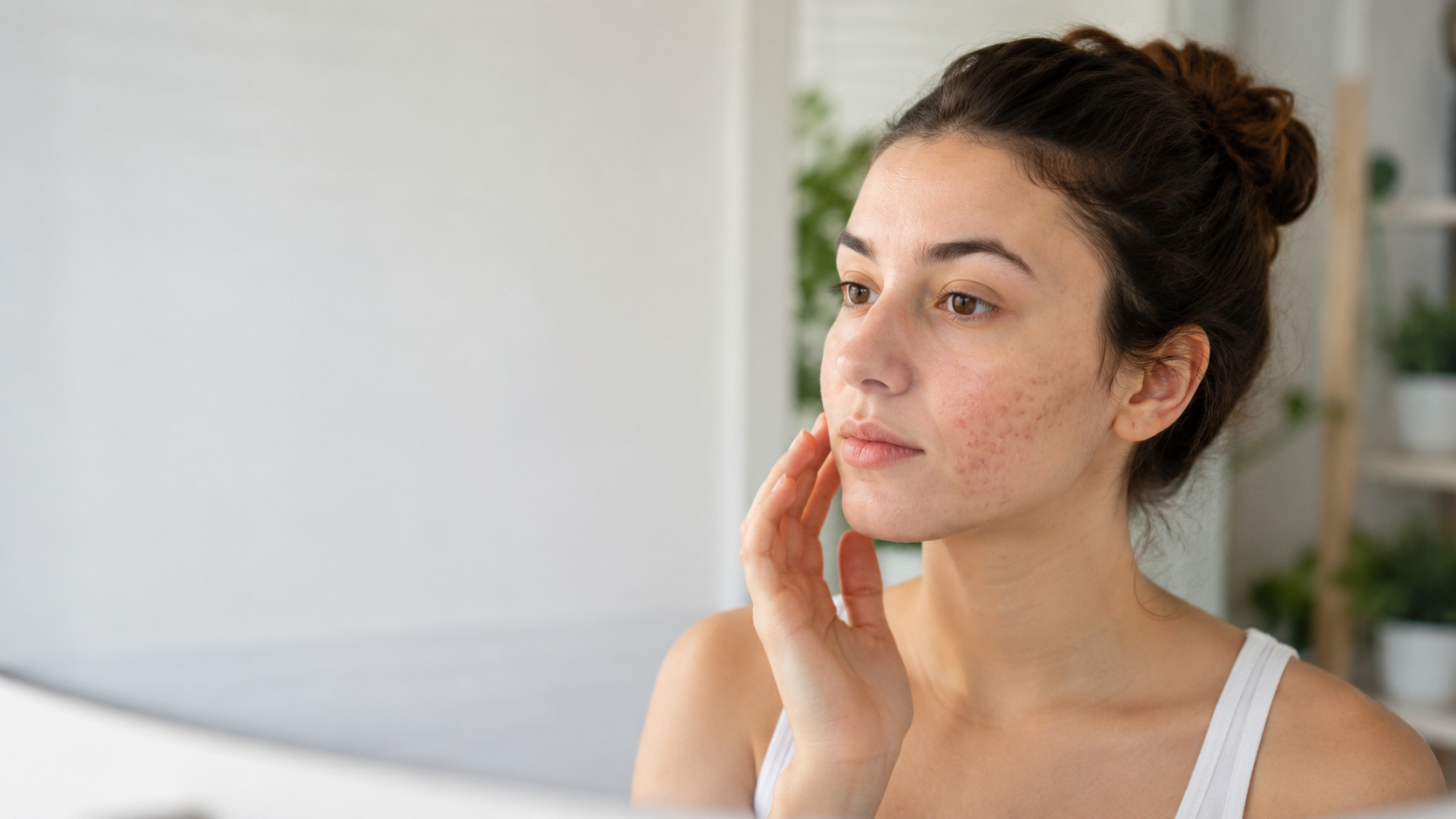
It’s not just a teenage problem. More adults in their 30s, 40s, and even 50s are now experiencing adult-onset acne. It often appears unexpectedly and can be frustrating and distressing, especially when you thought breakouts were long behind you.
The good news? With the right skincare routine and proven medical treatments, clearer, healthier skin is absolutely achievable.
What Is Adult-Onset Acne?
Adult-onset refers to acne that starts after the age of 25.
I was 27 when I first experienced a breakout. Before that, I rarely had spots and was often complimented on my skin, so when acne suddenly appeared, I was embarrassed and upset. Thankfully, the right doctor helped me fix it, and I now help my own patients do the same.
Adult-onset acne can appear anywhere, but most often affects the chin, jawline, and lower cheeks. While both men and women can develop acne later in life, it’s more common in women due to hormonal changes. Stress, diet, and lifestyle can also play a role.
Common Causes
There isn’t a single cause; it is usually the result of several factors, including:
-
Hormonal changes – Fluctuations in oestrogen or progesterone can increase oil production.
-
Stress – Elevated cortisol (the “stress hormone”) can trigger inflammation and oil gland activity.
-
Comedogenic skincare or cosmetics – Products that block pores can cause breakouts.
-
Diet – Certain foods may trigger acne in some adults, although this varies person to person.
-
Medications or conditions – Hormonal contraceptives, PCOS, and corticosteroids are known triggers.
Even when no clear cause is found, adult skin tends to heal more slowly, meaning spots can linger longer and are more likely to leave marks.
🧴 Best Topical Treatments
Topical treatments are usually the first and most effective step for managing mild to moderate acne. They work by reducing inflammation, controlling oil, and unclogging pores.
1. Tretinoin (The “Holy Grail” of Acne Care)
Tretinoin boosts skin cell turnover, helping to:
-
Clear clogged pores
-
Fade pigmentation
-
Smooth texture
-
Stimulate collagen for younger-looking skin
Apply a small amount nightly, alongside a moisturiser and a daily SPF, as tretinoin increases sun sensitivity. Some dryness or irritation is normal initially — this usually settles within a few weeks. Results often appear around the 8-week mark.
2. Benzoyl Peroxide
Benzoyl peroxide reduces acne-causing bacteria and inflammation.
It can cause mild dryness, so it’s often best used in the morning or on nights when you’re not applying tretinoin.
3. Azelaic Acid
Azelaic acid brightens the skin and fades post-inflammatory hyperpigmentation, those stubborn red or brown marks left after breakouts. It’s gentle, effective, and suitable for most skin types.
4. Topical Antibiotics
Short- or long-term antibiotic creams can help control more severe acne by reducing bacteria and inflammation. These are usually prescribed as part of a combined skincare plan.
When to See a Doctor
If you’ve tried over-the-counter products and they’re not working, or if your acne is painful, cystic, or scarring, it’s time to get professional help.
At our clinic, we create tailored acne treatment plans based on your skin type, triggers, and personal goals, combining medical-grade skincare with professional guidance.
The Takeaway
Adult acne is treatable, and nothing to be embarrassed about.
Having experienced it myself, I know how much it can affect your confidence. The right treatment plan can transform not just your skin, but how you feel every day.
Take control of your skin health today.
Book a private consultation and let us help you achieve the clear, confident complexion you deserve.
For more information on Acne, skin care, treatment, or diagnoses through your local NHS GP, visit the NHS Acne guidance