Understanding Infertility
Trying to conceive can be an exciting time — but when pregnancy does not happen as expected, it can quickly become stressful and overwhelming. At our Canary Wharf private GP clinic, we provide structured fertility assessments, evidence-based investigations, and specialist referrals to help you understand your options clearly and confidently.
Most couples (around 85%) will conceive naturally within the first year of regular, unprotected intercourse. However, approximately 1 in 6 couples experience difficulty conceiving.
If you have been trying for:
-
12 months without success (if the female partner is under 35), or
-
6 months without success (if the female partner is 35 or over),
It is advisable to seek medical assessment sooner rather than later.
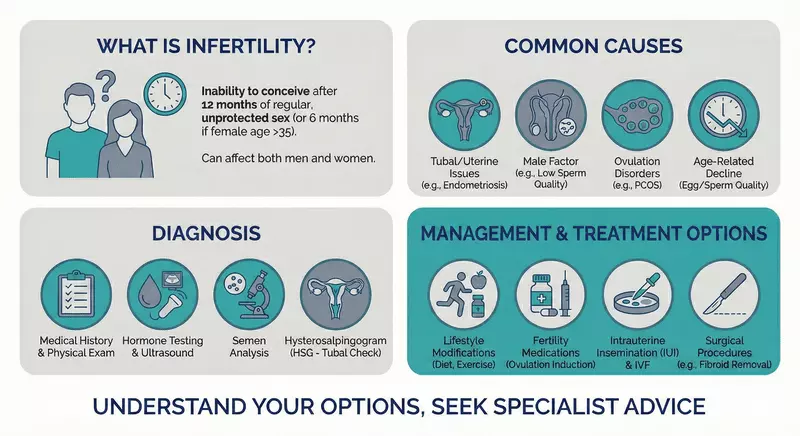
What Is Infertility?
Infertility is generally defined as the failure to conceive after one year of regular unprotected intercourse. In specialist settings, a formal diagnosis is often considered after two years without success.
There are two main types:
-
Primary infertility – when pregnancy has never previously occurred.
-
Secondary infertility – when there has been a previous pregnancy, but conception is now proving difficult.
Fertility is a shared issue — in roughly one third of cases, the cause lies primarily with the woman, one third with the man, and in the remaining cases it is either combined or unexplained.
Common Causes of Infertility
In some couples, no clear cause can be identified. However, several medical factors are commonly involved.
Female Causes
1. Ovulation Problems
Irregular or absent ovulation is one of the most common causes of female infertility. This may be linked to:
-
Thyroid disorders
-
Raised prolactin levels
-
Hormonal imbalance
-
Significant weight changes
-
Stress or excessive exercise
2. Blocked or Damaged Fallopian Tubes
The fallopian tubes allow the egg and sperm to meet. Blockage can occur due to:
-
Previous pelvic infections
-
Chlamydia infection
-
Endometriosis
-
Previous abdominal or pelvic surgery
3. Endometriosis
Endometriosis can affect egg quality, tubal function, and pelvic anatomy, making conception more difficult.
4. Age-Related Fertility Decline
Female fertility naturally declines from the early 30s and more significantly after 35 due to reduced egg quantity and quality.
Male Causes
Male factors account for approximately 40–50% of infertility cases.
1. Semen Quality
Issues may include:
-
Low sperm count
-
Reduced sperm motility (movement)
-
Abnormal sperm morphology (shape)
2. Hormonal Problems
Low testosterone or other hormonal imbalances can affect sperm production.
3. Infection or Previous STI
Untreated sexually transmitted infections may impair fertility.
4. Lifestyle Factors
Smoking, excessive alcohol, recreational drugs, obesity, and high heat exposure (e.g. frequent sauna use) can negatively affect sperm quality.
Fertility Investigations
Early investigation allows us to identify treatable causes and refer appropriately where needed.
Female Fertility Testing
Progesterone Blood Test
Performed approximately 7 days before your expected period to confirm ovulation.
Hormone Testing
This may include:
-
FSH (Follicle Stimulating Hormone)
-
LH (Luteinising Hormone)
-
Thyroid function tests
-
Prolactin
-
Testosterone
Thyroid dysfunction is present in up to 5% of women experiencing infertility.
Chlamydia Screening
An undiagnosed infection can lead to tubal damage.
Pelvic Imaging
-
Hysterosalpingogram (HSG) – X-ray of the uterus and fallopian tubes to check for blockages.
-
Hysterosalpingo-contrast ultrasonography (HyCoSy) – an ultrasound alternative to assess tubal patency.
-
Laparoscopy – a minimally invasive surgical procedure to directly visualise the pelvic organs, often used when endometriosis is suspected.
Male Fertility Testing
Physical Examination
Assessment for anatomical or hormonal concerns.
Semen Analysis
Carried out at a specialist laboratory to assess:
-
Sperm count
-
Motility
-
Morphology
STI Screening
Where indicated.
Unexplained Infertility
In some couples, all investigations return normal results. This is known as unexplained infertility. Although frustrating, many couples in this category still conceive naturally over time or respond well to assisted fertility treatments.
Treatment Options
Treatment depends entirely on the underlying cause.
Ovulation Induction
Medications can stimulate regular ovulation in women who are not ovulating consistently.
Treatment of Underlying Conditions
-
Thyroid correction
-
Management of PCOS
-
Treatment of endometriosis
-
Surgical correction of tubal or pelvic abnormalities
Assisted Conception
Intrauterine Insemination (IUI)
Sperm is placed directly into the uterus during ovulation.
In Vitro Fertilisation (IVF)
Eggs are fertilised outside the body and transferred back into the uterus.
Intracytoplasmic Sperm Injection (ICSI)
Used where sperm quality is reduced.
Egg Freezing
For women wishing to preserve fertility for future family planning.
Lifestyle & Fertility Optimisation
In addition to medical treatment, lifestyle optimisation plays an important role.
For Women:
-
Maintain a healthy BMI (18.5–24.9 ideally)
-
Stop smoking
-
Limit alcohol
-
Take folic acid (400mcg daily when trying to conceive)
-
Manage stress
For Men:
-
Maintain a healthy weight
-
Avoid excessive alcohol
-
Stop smoking
-
Avoid overheating the testes
-
Optimise diet and exercise
Even modest improvements can enhance fertility outcomes.
When Should You Seek Help?
You should consider booking an appointment if:
-
You have been trying for 12 months (or 6 months if over 35)
-
You have irregular periods
-
You have known endometriosis or PCOS
-
You have a history of pelvic infection
-
You have experienced recurrent miscarriage
-
You have concerns about sperm health
Early assessment can significantly improve outcomes and reduce unnecessary delays.
How We Can Help
At our Canary Wharf clinic, we provide:
-
Comprehensive fertility consultations
-
Hormone and progesterone testing
-
Thyroid and reproductive blood panels
-
STI screening
-
Lifestyle and pre-conception advice
-
Referral to trusted private fertility specialists
-
Support for egg freezing and assisted conception pathways
We understand that fertility concerns are deeply personal. Our women’s health consultations are discreet, non-judgemental, and focused on clear, practical next steps.
Stay up to date with the latest health news and insights from around the world.
Stay up to date with the latest health news and insights from around the world. From medical breakthroughs to public health updates, we bring you trusted information to help you stay informed and make confident decisions about your health.





Our professional standards
We are an award-winning private medical clinic, recognised for our outstanding reputation in delivering professional, compassionate, and evidence-based healthcare. All our doctors and nurses are fully registered with the appropriate regulatory bodies, including the GMC and RCN, and our clinical team undergoes rigorous annual appraisals to maintain the highest standards of care.
Dr Wayne Cottrell, MBChB, MRCGP, is fully registered with the General Medical Council (GMC), Health Professions Council of South Africa (HPCSA), a member of the Royal College of General Practitioners ( RCGP), and the British Association for Sexual Health and HIV (BASHH), reflecting his ongoing commitment to clinical eCyberdoc Medical Limited, which is registered as a Designated Body






How To Find Us
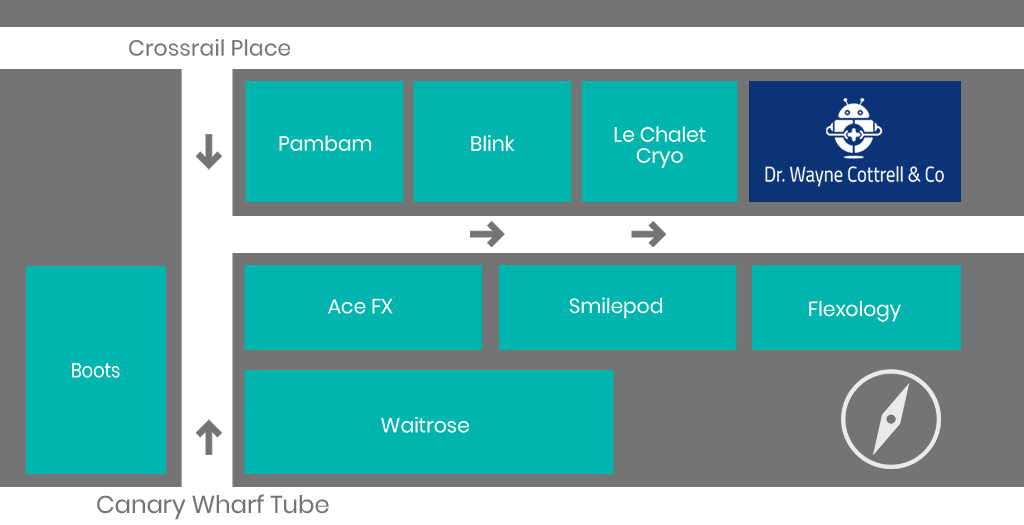
Canada Place Shopping Mall