From a Women’s Health Doctor Who’s Been There for Hundreds of Women And Can Be There for You Too.
I can’t tell you how many times I’ve sat across from a woman who says, “I just thought it was stress,” or “I didn’t realise this could be perimenopause.” If that sounds familiar, you’re not alone, and you’re certainly not imagining things.
As a women’s health doctor, I’ve had the privilege of helping many women navigate what can be a confusing, emotional, and often overwhelming stage of life. I’ve seen the frustration, the exhaustion, the loss of confidence, and I’ve also seen the transformation that comes with the proper support and treatment.
The good news? You don’t have to figure it all out alone.
In this post, I want to walk you through:
-
What perimenopause and menopause actually mean
-
Common symptoms to watch out for
-
When to seek help (spoiler: don’t wait until things get unbearable)
-
How treatment can make a real difference to your quality of life
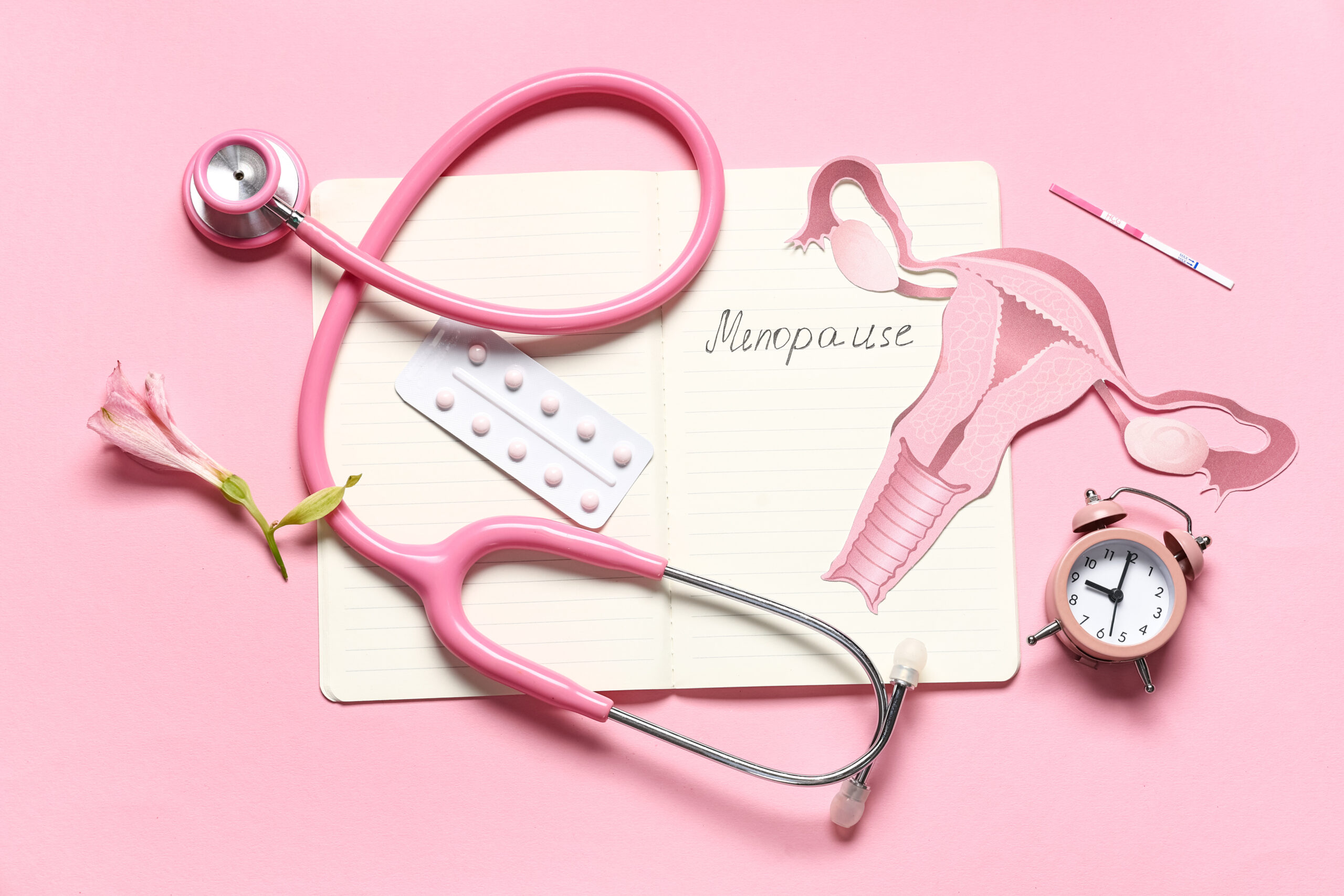
What Is Menopause?
Menopause is officially diagnosed when you haven’t had a period for 12 months. In the UK, the average age is 51, but many women start experiencing symptoms years before that (this is perimenopause), and for some, it can begin even earlier.
After menopause, your ovaries stop releasing eggs, and estrogen levels stay low. Some symptoms may ease, but others, like vaginal dryness, sleep issues, or concerns about bone health, can persist if left untreated.
Common Symptoms: You’re Not Going Mad
No two women experience this transition in the same way, but here are some of the most common symptoms I see in my clinic:
Physical Symptoms
-
Irregular or heavier periods
-
Hot flushes and night sweats
-
Vaginal dryness and discomfort during sex
-
Bladder issues (urgency, frequency, UTIs)
-
Weight gain, thinning hair, and dry skin
-
Joint aches and stiffness
Emotional & Cognitive Symptoms
-
Mood swings, anxiety, irritability, low mood
-
Brain fog, forgetfulness, difficulty concentrating
-
Sleep disturbances (waking up at 3 am and not getting back to sleep)
-
Low libido or lack of interest in intimacy
Perimenopause vs Menopause: What’s the Difference
Perimenopause is the lead-up to when your hormones fluctuate, periods become irregular, and symptoms start.
Menopause is when you’ve had 12 months with no period.
Post-menopause is everything after that — and long-term health (like heart and bone strength) becomes even more critical.
Menopause is when you’ve had 12 months with no period.
Post-menopause is everything after that — and long-term health (like heart and bone strength) becomes even more critical.
When to Reach Out
Here’s what I tell every patient:
If your symptoms are starting to affect your daily life, it’s time to get help.
That includes:
-
Struggling to sleep or concentrate at work
-
Feeling overwhelmed, anxious, or emotionally “not like yourself”
-
Relationship issues due to mood changes or low libido
-
Low energy or confidence
You don’t need to wait for a crisis to ask for support. In fact, the earlier we start the conversation, the better.
What Treatment Can Look Like
There’s no one-size-fits-all approach, and we’ll always work together to find what’s right for you.
Treatment options may include:
-
Lifestyle support: Nutrition, movement, and better sleep strategies
-
Non-hormonal treatments: Helpful for mood, sleep, or specific symptoms
-
Hormone Replacement Therapy (HRT): Still the most effective way to manage multiple symptoms for many women. And with modern transdermal options, such as patches, gels, or sprays, the risks can be significantly lower than you might think.
You Deserve to Feel Like You Again
Perimenopause and menopause are natural, but struggling through them isn’t. There is help, there is hope, and there are solutions.
If you’re feeling lost, confused, or just not yourself, please don’t wait. Please book a consultation with me. We’ll talk, I’ll listen, and we’ll make a plan that fits your life and goals.
You’ve looked after everyone else; now it’s time to look after you.