Molluscum Contagiosum Treatment
Molluscum contagiosum is a common viral skin infection that causes small, raised bumps on the skin. It is highly contagious and spreads through direct skin-to-skin contact. In children, it is extremely common and usually harmless. In adults, however, molluscum contagiosum affecting the genital area is typically considered a sexually transmitted infection (STI) because it is most often passed through sexual contact.
Although the condition often clears naturally over time, treatment may be recommended to prevent spread, reduce discomfort, and improve cosmetic appearance.

What Is Molluscum Contagiosum?
Molluscum contagiosum is caused by a virus from the poxvirus family. It is related to the virus that causes genital warts, although it behaves differently and is generally less persistent.
The virus infects the skin’s surface and causes distinctive lesions. It does not usually cause systemic illness or long-term health problems in healthy individuals.
How Is Molluscum Spread?
Molluscum spreads through:
-
Direct skin-to-skin contact
-
Sexual contact (in adults)
-
Sharing towels or clothing
-
Close physical contact within households
In children, transmission often occurs through play, shared baths, or sports. In adults, lesions in the genital or inner thigh area are usually acquired through sexual contact.
Because the virus lives in the surface layers of the skin, it can spread from one part of the body to another through scratching or shaving.
Symptoms of Molluscum Contagiosum
The main symptom is the appearance of small, firm, dome-shaped bumps on the skin.
These lesions:
-
Are usually flesh-coloured or pearly
-
Have a characteristic central dimple (umbilication)
-
May contain a white, waxy core
-
Range from 2–5 mm in size
Lesions are typically painless but may become itchy, inflamed, or red if irritated.
In adults, molluscum often appears on:
-
The pubic region
-
Inner thighs
-
Lower abdomen
-
Penis or vulva
In children, lesions may occur anywhere on the body, particularly the arms, trunk, and face.
How Long Does Molluscum Last?
In most cases, molluscum contagiosum clears on its own within 6 to 18 months as the immune system gradually eliminates the virus.
However, during this time:
-
Lesions can spread
-
New bumps may appear
-
Transmission to others remains possible
For many adults, especially when lesions are visible in the genital area, waiting for spontaneous resolution is not ideal.
Is Molluscum an STI?
Molluscum contagiosum is not exclusively an STI, but in adults, it is often treated within sexual health services because genital lesions are commonly transmitted during sexual contact.
If molluscum is diagnosed in a sexually active adult, we may recommend:
-
Screening for other STIs
-
Discussion about partner notification
-
Advice on reducing transmission
This ensures comprehensive sexual health care.
Diagnosis
Diagnosis is usually clinical. The appearance of the characteristic dome-shaped bumps with a central dimple is typically sufficient.
Laboratory tests are rarely required.
Because other conditions — such as genital warts, folliculitis, or herpes — can sometimes appear similar, professional assessment ensures accurate diagnosis and appropriate treatment.
Treatment Options for Molluscum
Although molluscum often resolves without treatment, many patients prefer active removal.
Reasons for treatment include:
-
Preventing spread
-
Cosmetic concerns
-
Reducing irritation
-
Faster resolution
Cryotherapy (Preferred Treatment)
Cryotherapy is the most commonly recommended treatment in adults. This involves applying liquid nitrogen to freeze the lesions.
Cryotherapy:
-
Destroys infected tissue
-
Stimulates immune response
-
Is quick and performed in clinic
-
May require more than one session
Mild discomfort during treatment is common, and temporary redness or blistering may occur.
Other Treatment Approaches
In some cases, alternative options may include:
-
Topical treatments
-
Curettage (physical removal)
-
Monitoring without intervention
The best approach depends on the number, location, and size of lesions.
Preventing Spread
To reduce transmission:
-
Avoid shaving affected areas
-
Avoid scratching lesions
-
Do not share towels or bedding
-
Cover lesions where possible
-
Avoid sexual contact until treated
Because the virus spreads easily through skin contact, treating lesions early reduces onward transmission.
When to Seek Medical Advice
You should book an appointment if:
-
You notice small, dome-shaped bumps with a central dimple
-
Lesions are spreading
-
The rash is located in the genital area
-
You are unsure whether the bumps are molluscum or another condition
-
Symptoms are causing distress
Prompt assessment provides reassurance and allows discussion of treatment options.
Molluscum in Children vs Adults
In children, molluscum contagiosum is extremely common and usually managed conservatively. In adults, particularly when lesions appear in the genital area, sexual transmission is more likely, and treatment is often preferred.
In individuals with weakened immune systems, molluscum may be more widespread and persistent, requiring specialist management.
Confidential Treatment in Canary Wharf
Molluscum contagiosum is common and treatable. While it may feel embarrassing, particularly when sexually acquired, it is a straightforward viral condition.
At our private clinic in Canary Wharf, we provide:
-
Discreet assessment
-
Same-day cryotherapy where appropriate
-
STI screening if indicated
-
Clear aftercare advice
-
Follow-up if required
Our approach is calm, professional, and non-judgmental.
Protecting Your Skin and Sexual Health
Although molluscum contagiosum often clears naturally, treatment can shorten the course and reduce transmission. Early intervention also prevents unnecessary anxiety and cosmetic concerns.
If you are concerned about molluscum or other genital skin lesions, a confidential sexual health assessment is available.
Stay up to date with the latest health news and insights from around the world.
Stay up to date with the latest health news and insights from around the world. From medical breakthroughs to public health updates, we bring you trusted information to help you stay informed and make confident decisions about your health.





Our professional standards
We are an award-winning private medical clinic, recognised for our outstanding reputation in delivering professional, compassionate, and evidence-based healthcare. All our doctors and nurses are fully registered with the appropriate regulatory bodies, including the GMC and RCN, and our clinical team undergoes rigorous annual appraisals to maintain the highest standards of care.
Dr Wayne Cottrell, MBChB, MRCGP, is fully registered with the General Medical Council (GMC), Health Professions Council of South Africa (HPCSA), a member of the Royal College of General Practitioners ( RCGP), and the British Association for Sexual Health and HIV (BASHH), reflecting his ongoing commitment to clinical eCyberdoc Medical Limited, which is registered as a Designated Body





How To Find Us
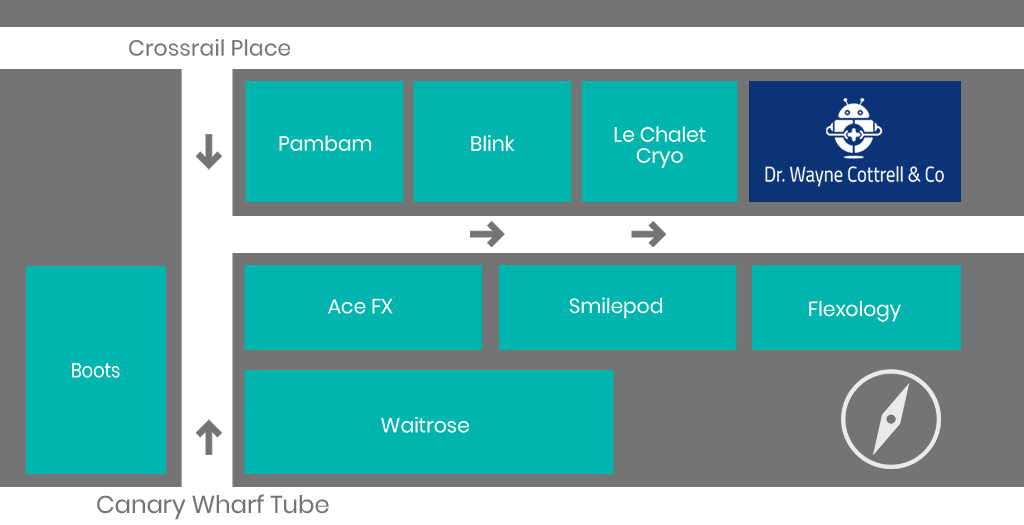
Canada Place Shopping Mall