Vitamin D Deficiency: Why It Matters During the Winter Months
Shorter days, colder weather and long periods without much sunlight can affect both our physical and mental well-being. During the autumn and winter months, some people experience changes in their mood, energy levels and sleep patterns, while reduced exposure to sunlight also makes it more difficult for our bodies to produce enough vitamin D.
Vitamin D plays an important role in maintaining healthy bones, muscles and teeth, as well as supporting the normal function of the immune system.
In the UK, this becomes particularly relevant during autumn and winter because sunlight is our main natural source of vitamin D.
Why Do We Need Vitamin D?
Our bodies produce vitamin D when our skin is exposed to sunlight. We can also obtain smaller amounts through our diet, including foods such as:
- Oily fish, including salmon, sardines and mackerel
- Egg yolks
- Fortified breakfast cereals
- Fortified spreads and some plant-based milks
- Liver and some other animal products
However, between approximately October and early March, sunlight in the UK does not contain enough UVB radiation for most people to produce adequate amounts of vitamin D through their skin alone.
This is why vitamin D deficiency and insufficiency are particularly important considerations during the winter months.
Vitamin D and Your Immune System
Vitamin D contributes to the normal functioning of the immune system and has been the subject of considerable research into respiratory health.
Studies have investigated whether low vitamin D levels may be associated with an increased susceptibility to respiratory infections and conditions affecting lung health.
Research has also explored the possible role of vitamin D supplementation in reducing the risk or severity of some acute respiratory infections, particularly among people whose vitamin D levels are already low.
Vitamin D should not, however, be considered a treatment for respiratory disease. Anyone experiencing persistent coughing, breathlessness, recurrent chest infections or other respiratory symptoms should speak to a healthcare professional.
How Do I Know If I Am Low in Vitamin D?
Vitamin D deficiency does not always produce obvious symptoms.
When symptoms do occur, they can include:
- Muscle weakness or aching
- Bone pain or tenderness
- General tiredness or fatigue
- Reduced muscle strength
- Changes in bone health over time
Severe or prolonged vitamin D deficiency can contribute to bone conditions, including osteomalacia in adults and rickets in children.
Unfortunately, symptoms such as tiredness and muscle aches can have many different causes. A blood test is therefore the most reliable way to establish whether your vitamin D level is low.
Who Is More Likely to Develop Vitamin D Deficiency?
Some people have a greater risk of vitamin D deficiency, including those who:
- Spend very little time outdoors
- Usually cover most of their skin when outside
- Have darker skin
- Are older or housebound
- Live in residential or nursing care
- Have certain medical conditions that affect the absorption of nutrients
- Follow a diet containing very few natural or fortified sources of vitamin D
Your GP can advise whether testing or supplementation may be appropriate based on your individual circumstances.
How Much Vitamin D Do I Need?
UK guidance recommends that adults and children over the age of one consider taking a daily supplement containing 10 micrograms (400 IU) of vitamin D during the autumn and winter months.
Some people who are at greater risk of vitamin D deficiency may be advised to take a supplement throughout the year.
Babies and younger children have separate recommendations depending on their age, diet and whether they are being breastfed or receiving infant formula.
It is also important not to assume that taking more vitamin D is automatically better. Very high doses taken over a prolonged period can be harmful.
If you are concerned about your vitamin D level, particularly if you have symptoms or belong to a higher-risk group, speak to a healthcare professional before taking high-dose supplements.
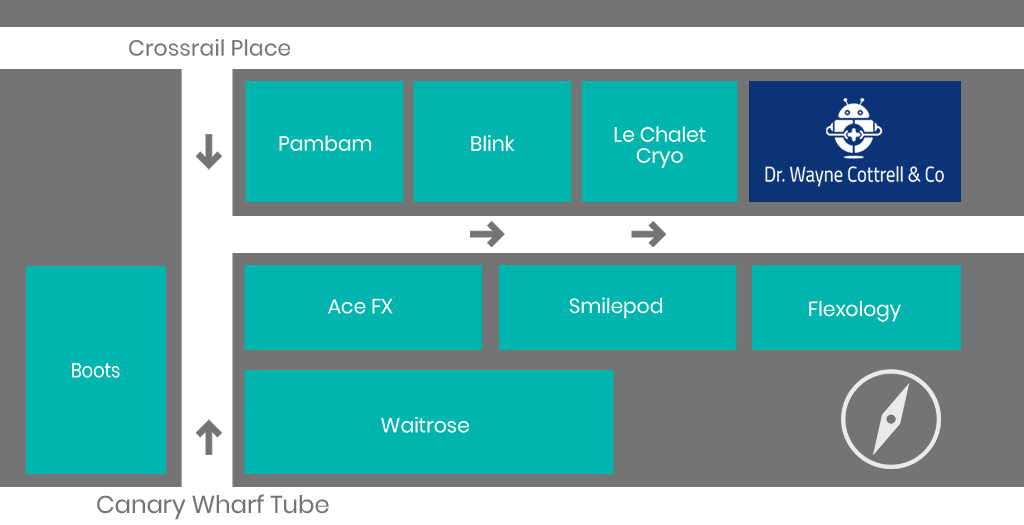
Vitamin D Blood Testing in Canary Wharf
At Dr Wayne Cottrell & Co, we can assess concerns about vitamin D deficiency as part of a wider review of your health.
A consultation may include discussion of your symptoms, lifestyle, diet, medical history and any factors that could place you at greater risk of deficiency.
Where appropriate, we can arrange a vitamin D blood test and discuss your results with you, including whether supplementation or further investigation is recommended.
Vitamin D deficiency is common and, once identified, can usually be managed effectively.
If you are experiencing persistent tiredness, muscle weakness, bone discomfort or simply want to understand whether your vitamin D levels are where they should be, our team can help.
For more information or to arrange an appointment, contact Dr Wayne Cottrell & Co.