Changes to your periods, poor sleep, hot flushes, anxiety, brain fog, or simply feeling “not quite yourself” can all happen as hormone levels begin to change.
But does this mean you are going through perimenopause or menopause?
The two terms are closely connected, but they describe different stages. Understanding the difference makes it easier to recognise what is happening, know when to speak to a GP and understand the treatment options available.
What is perimenopause?
Perimenopause is the time leading up to menopause, when levels of hormones such as oestrogen begin to fluctuate.
For many women, symptoms first appear during this time.
Your periods may still be happening, but they can become less predictable. They may be heavier, lighter, longer, shorter or occur more or less frequently than before.
According to the NHS, menopause most commonly affects women between the ages of 45 and 55, although symptoms can begin earlier.
Perimenopause can last for several years, and symptoms vary considerably from one person to another.
What is menopause?
Menopause is reached when you have not had a menstrual period for 12 consecutive months, provided there is no other medical reason for your periods to have stopped.
The time after this is often described as post-menopause.
Although periods have stopped by this stage, menopause symptoms do not necessarily disappear immediately. Some women continue to experience symptoms for several years.
What are the symptoms of perimenopause and menopause?
The symptoms can be surprisingly varied. Hot flushes and changes to periods are well known, but they are only part of the picture.
Common symptoms can include:
- Hot flushes
- Night sweats
- Difficulty sleeping
- Changes to your menstrual cycle
- Low mood
- Anxiety
- Mood changes
- Problems with memory or concentration, sometimes called “brain fog”
- Palpitations
- Headaches or migraines
- Muscle and joint aches
- Reduced sex drive
- Vaginal dryness or discomfort
- Pain during sex
- Recurrent urinary symptoms
Some women experience relatively mild symptoms, while for others they can significantly affect work, relationships, sleep and general quality of life.
The NICE menopause guideline recommends that healthcare professionals take a woman’s individual symptoms, circumstances and preferences into account when discussing treatment.
Do I need a blood test to diagnose menopause?
Not necessarily.
For otherwise healthy women aged 45 or over who have typical menopause symptoms, NICE advises that perimenopause or menopause can usually be identified from symptoms and changes to the menstrual cycle without laboratory testing.
Further investigations may be appropriate in some circumstances, particularly when symptoms occur at a younger age or when another medical condition could be causing them.
This is one reason why it can be helpful to discuss persistent or unusual symptoms with your GP rather than assuming everything is caused by menopause.
Can you take HRT during perimenopause?
Yes.
You do not have to wait until your periods have completely stopped before discussing HRT.
The NHS confirms that hormone replacement therapy can be used for menopause symptoms during perimenopause as well as after periods have stopped.
Hormone replacement therapy, usually referred to as HRT, works by replacing hormones that decline around the menopause.
Oestrogen is the main hormone used and can be given in several forms, including:
- Patches
- Gels
- Sprays
- Tablets
Local vaginal oestrogen may also be recommended for vaginal dryness, soreness and certain urinary symptoms.
If you still have your uterus, a form of progesterone or progestogen is normally prescribed alongside systemic oestrogen to protect the lining of the womb.
The exact treatment will depend on factors including whether you are still having periods, your symptoms and your medical history.
What can HRT help with?
HRT can be highly effective for symptoms such as hot flushes and night sweats, and it may also help with associated problems including disrupted sleep. It can additionally help protect against osteoporosis.
However, HRT is not a one-size-fits-all treatment.
Different preparations and doses are available, and finding the right option sometimes requires review and adjustment.
NICE recommends discussing the potential benefits and risks of HRT on an individual basis.
Is HRT safe?
In most cases, the benefits of HRT can outweigh the potential risks, particularly when treatment is started for troublesome symptoms around the usual age of menopause.
However, your personal medical history matters.
For example, the type of HRT used can influence risks including blood clots and breast cancer. The MHRA advises that women considering HRT should have a conversation around the benefits and risks with a healthcare professional so that treatment can be individualised.
There may also be circumstances where specialist advice or an alternative treatment is more appropriate.
Your GP should therefore ask about your health history and any relevant family history before recommending treatment.
What if I do not want or cannot take HRT?
HRT is not the only option.
Lifestyle measures can sometimes make symptoms easier to manage. These may include regular physical activity, maintaining a balanced diet, improving sleep habits and reducing factors that trigger hot flushes.
NICE also recognises menopause-specific cognitive behavioural therapy (CBT) as an option for some symptoms, including hot flushes, night sweats, sleep difficulties and depressive symptoms associated with menopause.
There are also non-hormonal prescription treatments that may be considered in certain circumstances.
The important point is that you do not simply have to tolerate symptoms because you do not want HRT.
When should I see a GP about menopause symptoms?
You can speak to a GP as soon as symptoms begin to affect you.
There is no requirement to wait until symptoms become severe or until your periods stop completely.
Consider arranging an appointment if:
- Your periods have become noticeably different
- Hot flushes or night sweats are affecting everyday life
- You are struggling to sleep
- Anxiety, low mood or brain fog are becoming difficult to manage
- Vaginal dryness or discomfort is affecting you
- Symptoms are affecting work, relationships or your general wellbeing
- You want to discuss HRT or alternatives
- You are experiencing possible menopause symptoms before the age of 45
You should also seek medical advice about unusual, very heavy or persistent bleeding, rather than assuming that every change in bleeding is caused by perimenopause.
Similarly, any vaginal bleeding that occurs after you have gone through menopause should be assessed by a healthcare professional.
Menopause support at Dr Wayne Cottrell & Co
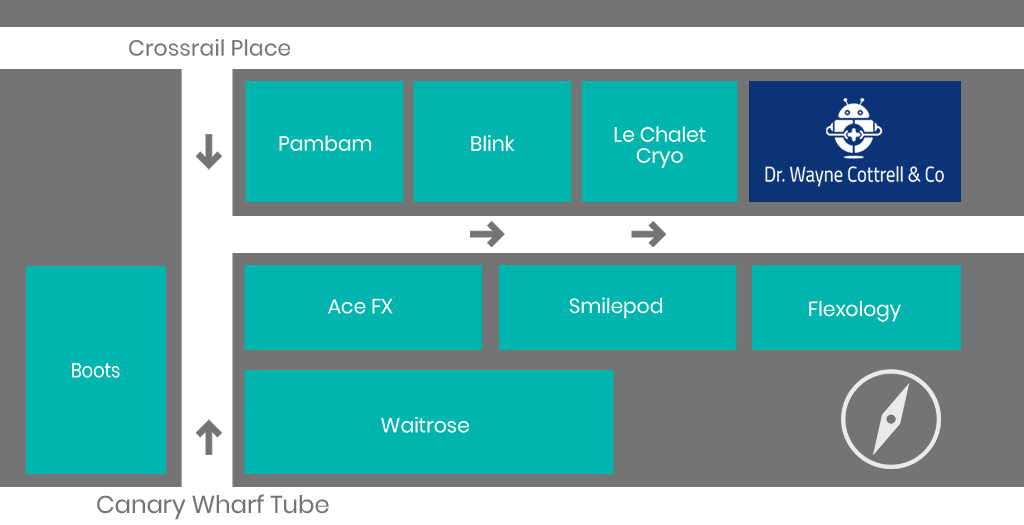
At Dr Wayne Cottrell & Co in Canary Wharf, we understand that menopause and perimenopause can affect much more than periods.
Symptoms may influence sleep, concentration, confidence, relationships, work and overall wellbeing.
A menopause consultation gives you time to discuss your symptoms properly, review your medical history and consider whether treatment such as HRT may be appropriate.
Our approach is individual. For some patients, the priority may be hot flushes or disrupted sleep. For others, it may be irregular periods, anxiety, vaginal symptoms or simply understanding why they suddenly feel different.
If something has changed and you no longer feel like yourself, you do not have to wait for symptoms to become worse before asking for help.
Reliable UK sources
Further patient information is available from: