
Erectile Dysfunction Assessment and Treatment
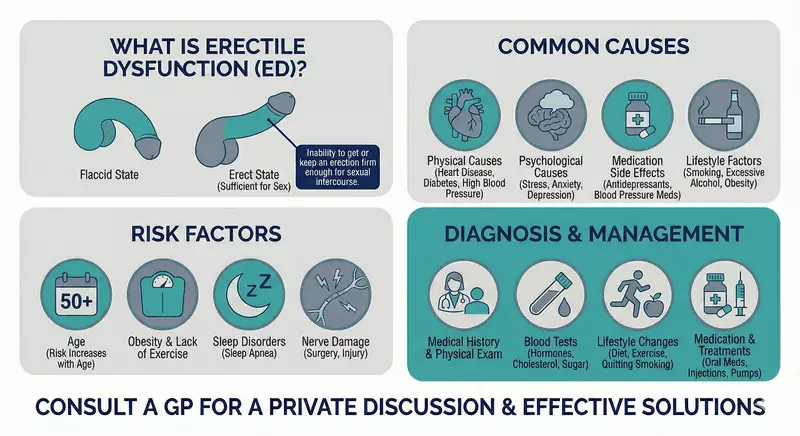
Erectile dysfunction (ED) — previously referred to as impotence — is the persistent difficulty in achieving or maintaining an erection sufficient for satisfactory sexual activity. It is a common condition and can be distressing, often causing anxiety that may further worsen symptoms.
At our clinic, we provide discreet, evidence-based assessment to identify whether ED is primarily physical, psychological, or a combination of both. Erectile difficulties can also be an early sign of underlying cardiovascular or metabolic disease, making proper evaluation important for both sexual and overall health.
Understanding Erections
An erection occurs when sexual arousal triggers the release of chemical signals that increase blood flow to the penis. The arteries dilate, allowing the penis to fill with blood. At the same time, the veins that normally drain blood are compressed, helping maintain firmness.
Anything that interferes with blood flow, nerve supply, hormone levels, or psychological stimulation can disrupt this process.
How Common Is Erectile Dysfunction?
Most men experience occasional difficulty with erections, often related to alcohol, fatigue, stress, or temporary illness. In many cases, this is short-lived.
However, for some men, ED becomes persistent. It can occur at any age — including in men in their twenties — but becomes more common with age. Around 50% of men between 40 and 70 experience some degree of erectile dysfunction.
Causes of Erectile Dysfunction
ED can have physical causes, psychological causes, or both.
Common Causes
-
Reduced blood flow (smoking, high blood pressure, high cholesterol),
-
Diabetes,
-
Neurological conditions (such as multiple sclerosis, Parkinson’s disease, or stroke)
-
Low testosterone
-
Spinal injury
-
Medication side effects (including antidepressants and beta blockers)
-
Alcohol or recreational drugs
-
Stress, anxiety, depression
-
Relationship difficulties
Physical ED often develops gradually, and sexual desire is usually preserved. Psychological ED may occur more suddenly, and erections during masturbation or early morning erections are often still present.
Diagnosis
If you are experiencing erectile difficulties, you do not need to manage this alone. Assessment focuses on identifying contributing factors and screening for underlying health conditions.
Evaluation may include blood pressure measurement, blood tests to check cholesterol, kidney and liver function, blood sugar levels to screen for diabetes, urine testing, and, where appropriate, hormone testing, particularly if there is reduced libido or other symptoms of testosterone deficiency.
Because erectile dysfunction can be an early marker of cardiovascular disease, thorough assessment is important.
Treatment Options
Treatment depends on the underlying cause. Addressing contributing factors such as high blood pressure, diabetes, or low testosterone can improve symptoms.
For psychological causes, counselling or therapy can be highly effective. Medical treatments include oral medications, injectable therapies, and in selected cases, penile implants.
With the right assessment and support, ED is highly treatable in the majority of men.
Take the First Step
Erectile dysfunction is common and treatable. Seeking a men’s health assessment not only improves sexual health but can also identify important underlying medical conditions. Taking the first step to discuss symptoms is often the most important one.
Stay up to date with the latest health news and insights from around the world.
Stay up to date with the latest health news and insights from around the world. From medical breakthroughs to public health updates, we bring you trusted information to help you stay informed and make confident decisions about your health.





Our professional standards
We are an award-winning private medical clinic with a strong reputation for delivering professional, compassionate and evidence-based healthcare.
Our clinicians maintain appropriate professional registrations and memberships relevant to their roles.
Dr Wayne Cottrell, MBChB, MRCGP, is registered with the General Medical Council and is a member of the Royal College of General Practitioners and the British Association for Sexual Health and HIV (BASHH).
Our nursing team also holds relevant professional memberships, including the Royal College of Nursing (RCN).
Cyberdoc Medical Limited is registered as Dr Cottrell’s designated body for professional appraisal and revalidation.