Herpes (HSV-1 & HSV-2) Treatment
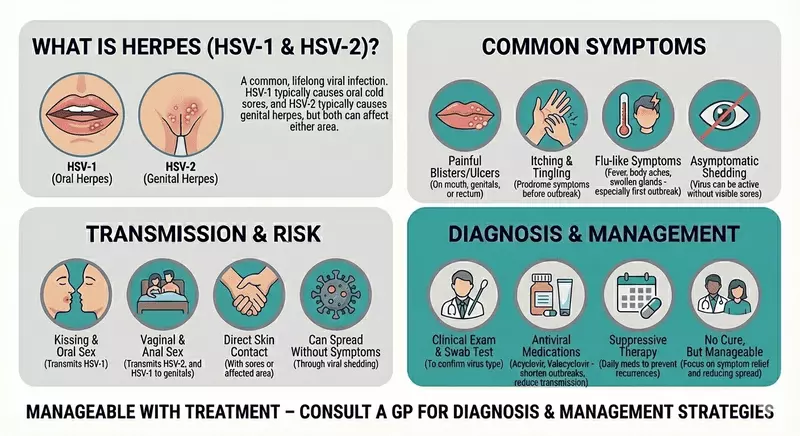
Herpes is a common viral infection caused by the herpes simplex virus (HSV). It is transmitted primarily through close physical contact, including sexual contact, kissing, and oral sex. There are two main types: HSV-1, which is most commonly associated with oral herpes (cold sores), and HSV-2, which is more often linked to genital herpes. However, both types can affect either the mouth or the genital area.
Once infected, the virus remains in the body for life. Although there is currently no cure, antiviral treatment can effectively manage outbreaks and significantly reduce transmission risk.
What Is Herpes Simplex Virus?
Herpes simplex virus (HSV) is a lifelong viral infection that lies dormant in nerve cells after the initial exposure. Periodically, the virus can reactivate, leading to recurrent outbreaks.
There are two main strains:
-
HSV-1 – Traditionally associated with oral cold sores
-
HSV-2 – More commonly associated with genital herpes
However, due to oral sex, HSV-1 is now a common cause of genital herpes in younger adults.
Herpes is extremely common worldwide, and many people carry the virus without knowing it.
How Is Herpes Transmitted?
Herpes spreads through direct skin-to-skin contact with an infected area. This includes:
-
Vaginal, anal, or oral sex
-
Kissing (for oral herpes)
-
Genital-to-genital contact
-
Oral-to-genital contact
It can also be transmitted from mother to baby during childbirth, known as neonatal herpes, which is rare but serious.
Importantly, herpes can be passed on even when there are no visible symptoms. This is known as asymptomatic viral shedding.
Because of this, individuals may unknowingly transmit the virus.
Symptoms of Herpes
Some people experience significant symptoms during their first outbreak, while others have very mild symptoms or none at all.
Typical symptoms include:
-
Painful blisters or ulcers on the genitals, anus, or mouth
-
Tingling or burning sensation before lesions appear
-
Painful urination
-
Vaginal or urethral discharge
-
Enlarged or tender lymph nodes in the groin
-
Flu-like symptoms (fever, headache, muscle aches)
The first episode (primary infection) is often the most severe. Recurrent outbreaks tend to be milder and shorter.
Outbreaks usually last 7 to 10 days and are self-limiting.
Recurrent Herpes
After the initial infection, the virus remains dormant in the nerve cells. Reactivation can occur due to:
-
Stress
-
Illness
-
Fatigue
-
Hormonal changes
-
Immune suppression
Recurrent outbreaks are typically:
-
Less severe
-
Shorter in duration
-
Localised to the same area
Some individuals experience frequent recurrences, while others may have only occasional episodes.
Can You Have Herpes Without Symptoms?
Yes. Many people with herpes have no noticeable symptoms. Even without visible blisters or ulcers, the virus can still be transmitted through asymptomatic shedding.
This is why herpes is common, even among people who report no history of symptoms.
Diagnosis
Herpes is often diagnosed based on clinical examination, especially when typical lesions are present.
However, confirmatory testing may include:
Viral Swab
A swab taken from a fresh blister or ulcer can confirm herpes and determine whether it is HSV-1 or HSV-2. This is the most accurate test during an active outbreak.
Blood Test (Antibody Test)
Blood tests can detect HSV antibodies and determine prior exposure. However, they do not indicate the site of infection and are not always helpful in diagnosing a new outbreak.
Testing is most accurate when performed during active symptoms.
Is There a Cure for Herpes?
There is currently no cure for herpes and no vaccine available.
Once infected, the virus remains in the body for life. However, this does not mean symptoms will be constant or severe.
Most people lead completely normal lives with proper management.
Treatment for Herpes
Although herpes cannot be cured, antiviral medication can:
-
Shorten the duration of outbreaks
-
Reduce the severity of symptoms
-
Decrease viral shedding
-
Lower the risk of transmission to partners
Common antiviral medications include:
-
Aciclovir
-
Valaciclovir
-
Famciclovir
Episodic Treatment
Taken at the first sign of an outbreak to reduce severity and duration.
Suppressive Therapy
Daily antiviral medication may be recommended for individuals with frequent outbreaks or those wishing to reduce transmission risk to a partner.
Early treatment is most effective, particularly when started during the tingling or burning stage before blisters fully develop.
Reducing Transmission Risk
Although herpes cannot be completely eliminated, the risk of transmission can be significantly reduced by:
-
Avoiding sexual contact during outbreaks
-
Using condoms consistently
-
Considering daily suppressive antiviral therapy
-
Communicating openly with partners
Suppressive therapy can reduce transmission risk by up to 50% or more when combined with barrier protection.
Herpes and Pregnancy
If a woman acquires herpes for the first time during pregnancy, particularly in the third trimester, there is a risk of transmission to the baby during delivery.
Women with known herpes should inform their healthcare provider. Antiviral treatment may be recommended in late pregnancy to reduce risk.
Emotional Impact of Herpes
A diagnosis of herpes can cause significant emotional distress. It is important to remember:
-
Herpes is very common
-
Many people carry the virus unknowingly
-
It is manageable
-
It does not define sexual health or relationships
Supportive, confidential medical advice can help individuals navigate diagnosis and disclosure confidently.
When Should You Seek Medical Advice?
You should arrange an assessment if:
-
You develop painful genital or oral blisters
-
You experience recurrent ulcers
-
A partner has been diagnosed with herpes
-
You have symptoms following unprotected sex
-
You are pregnant and concerned about herpes
Prompt testing allows accurate diagnosis and early treatment.
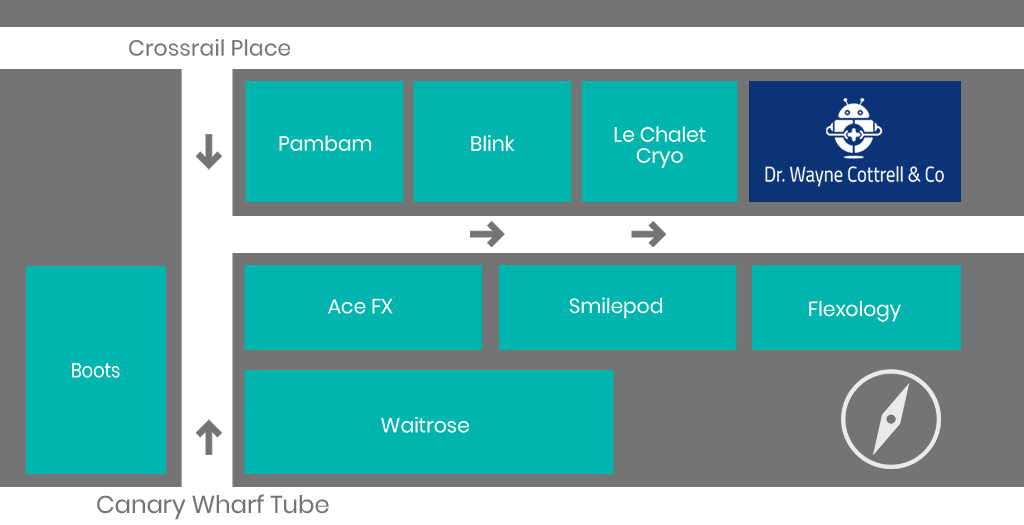
Confidential Herpes Care in Canary Wharf
At our private clinic in Canary Wharf, we provide discreet and professional herpes assessment and management.
We offer:
-
Same-day appointments
-
On-site swab testing
-
Antiviral prescriptions
-
Suppressive therapy planning
-
Sexual health screening
-
Clear partner guidance
Our approach is calm, non-judgmental, and evidence-based.
Protecting Your Long-Term Sexual Health
Herpes is a lifelong virus, but it is manageable. With appropriate treatment and advice, outbreaks can be controlled and transmission risk significantly reduced.
If you are concerned about herpes symptoms, recurrence, or exposure, confidential sexual health testing and treatment are available.
Stay up to date with the latest health news and insights from around the world.
Stay up to date with the latest health news and insights from around the world. From medical breakthroughs to public health updates, we bring you trusted information to help you stay informed and make confident decisions about your health.




Our professional standards
We are an award-winning private medical clinic with a strong reputation for delivering professional, compassionate and evidence-based healthcare.
Our clinicians maintain appropriate professional registrations and memberships relevant to their roles.
Dr Wayne Cottrell, MBChB, MRCGP, is registered with the General Medical Council and is a member of the Royal College of General Practitioners and the British Association for Sexual Health and HIV (BASHH).
Our nursing team also holds relevant professional memberships, including the Royal College of Nursing (RCN).
Cyberdoc Medical Limited is registered as Dr Cottrell’s designated body for professional appraisal and revalidation.