Hepatitis B
Hepatitis B is a potentially serious viral infection that affects the liver. Unlike Hepatitis A, which causes a short-term illness, Hepatitis B can become chronic, leading to long-term liver damage including fibrosis, cirrhosis, liver failure, and liver cancer.
Although many people with Hepatitis B have no symptoms, early diagnosis and vaccination are key to prevention and long-term health.
Hepatitis A, B, and C – What’s the Difference?
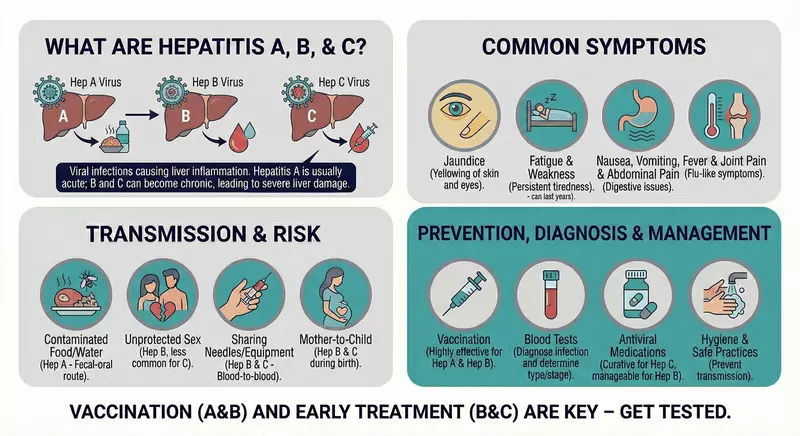
Hepatitis A, B, and C are all viral infections that affect the liver, but they differ significantly in how they spread and in their long-term risks.
-
Hepatitis A is usually caught from contaminated food or water and causes an acute illness. It does not become chronic, and recovery leads to lifelong immunity.
-
Hepatitis B is spread through blood and bodily fluids, including sexual contact. It can become chronic and cause serious liver damage.
-
Hepatitis C is mainly transmitted through blood (particularly through injecting drug use) and often becomes chronic if untreated.
Unlike Hepatitis C, there is an effective vaccine for Hepatitis B, which makes prevention extremely powerful.
What Is Hepatitis B?
Hepatitis B is caused by the Hepatitis B virus (HBV). It infects liver cells and can cause inflammation ranging from mild to severe.
Transmission occurs through contact with infected blood or bodily fluids, including:
-
Unprotected sexual contact
-
Sharing needles or drug equipment
-
Blood exposure
-
From mother to baby during childbirth
In the UK, sexual transmission remains an important route, particularly within higher-risk sexual networks.
Who Is at Higher Risk?
Hepatitis B risk is higher in:
-
Individuals with multiple sexual partners
-
Men who have sex with men (MSM)
-
People who inject drugs
-
Individuals born in regions where Hepatitis B is more common
-
Healthcare workers
-
Babies born to Hepatitis B-positive mothers
Vaccination is strongly recommended for many of these groups.
Symptoms of Hepatitis B
Hepatitis B is often referred to as a “silent” infection because many people experience no symptoms at all.
When symptoms do occur during the acute phase, they may include:
-
Fever
-
Fatigue
-
Loss of appetite
-
Nausea
-
Abdominal discomfort
-
Jaundice (yellowing of the skin and eyes)
The acute infection lasts less than six months, and most healthy adults clear the virus spontaneously during this period.
However, because symptoms are often mild or absent, many people are unaware they have been infected.
Acute vs Chronic Hepatitis B
Acute Infection
This refers to the first six months after infection. Most adults clear the virus naturally and develop immunity.
Chronic Infection
If the virus remains in the body beyond six months, the infection is considered chronic.
The likelihood of developing chronic Hepatitis B depends heavily on age at infection:
-
Adults: Most clear the virus
-
Young children: Much higher risk of chronic infection
-
Infants infected at birth: Very high risk of chronic infection
The younger you are at the time of exposure, the more likely chronic infection becomes.
Why Chronic Hepatitis B Matters
Chronic Hepatitis B can cause progressive liver damage over years or decades.
Potential complications include:
-
Liver fibrosis (scarring)
-
Cirrhosis
-
Liver failure
-
Hepatocellular carcinoma (liver cancer)
Because chronic Hepatitis B can remain asymptomatic for many years, regular monitoring is essential for those diagnosed.
Early detection significantly reduces long-term risk.
Testing for Hepatitis B
Hepatitis B is diagnosed with a blood test that detects viral markers.
Testing can determine:
-
Whether you have an active infection
-
Whether the infection is acute or chronic
-
Whether you have immunity (through vaccination or past infection)
-
Whether you are infectious
Hepatitis B testing is commonly included as part of comprehensive STI screening.
We may recommend testing if you:
-
Have had unprotected sex
-
Are starting PrEP
-
Have a partner diagnosed with Hepatitis B
-
Are pregnant
-
Are from a higher-prevalence region
-
Simply want reassurance
Treatment for Hepatitis B
No cure completely eradicates Hepatitis B in chronic infection, but antiviral medication can:
-
Suppress viral replication
-
Reduce liver inflammation
-
Lower the risk of cirrhosis and liver cancer
Not everyone with chronic Hepatitis B requires immediate treatment. Management depends on:
-
Viral load
-
Liver enzyme levels
-
Degree of liver inflammation
-
Fibrosis stage
Specialist referral may be required for ongoing monitoring.
Hepatitis B and Sexual Health
Because Hepatitis B is transmitted through sexual contact, it is particularly relevant in sexual health settings.
Vaccination offers strong protection and is highly effective.
For those living with Hepatitis B:
-
Partners should be vaccinated
-
Barrier protection may be advised
-
Regular monitoring is essential
Unlike HIV, viral suppression does not eliminate transmission risk, so vaccination of partners is crucial.
Hepatitis B Vaccine
The Hepatitis B vaccine is safe, effective, and widely used.
It is recommended for:
-
Men who have sex with men (MSM)
-
Individuals with multiple partners
-
Healthcare workers
-
People who inject drugs
-
Close contacts of infected individuals
-
Travellers to high-prevalence areas
The vaccine is given as a course of injections, and protection is long-lasting.
Vaccination is one of the most effective ways to prevent chronic liver disease.
Hepatitis B in Pregnancy
Pregnant women are routinely screened for Hepatitis B in the UK.
If a mother tests positive, newborns receive immediate vaccination and treatment to significantly reduce the risk of transmission.
Early detection protects both mother and baby.
When Should You Seek Medical Advice?
You should consider Hepatitis B testing if:
-
You have had unprotected sex
-
A partner has been diagnosed
-
You are unsure of your vaccination status
-
You were born in a higher-prevalence country
-
You have abnormal liver function tests
Because it is often silent, routine screening is important.
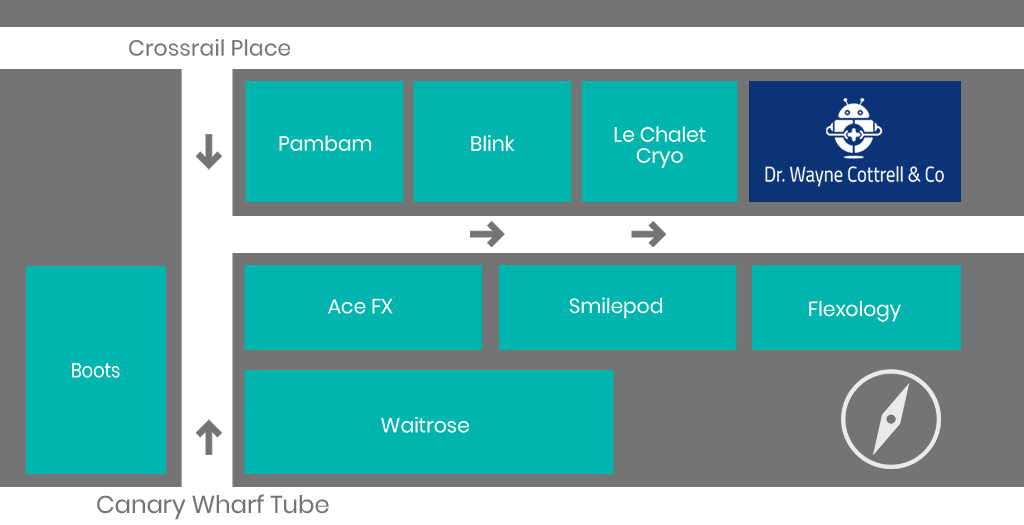
Confidential Hepatitis B Care in Canary Wharf
At our private clinic in Canary Wharf, we offer:
-
Hepatitis B blood testing
-
Vaccination
-
Liver function assessment
-
Sexual health screening
-
Specialist referral if required
Our care is confidential, evidence-based, and tailored to your individual risk profile.
Protecting Your Liver Health
Hepatitis B is more serious than Hepatitis A because of its potential to become chronic. However, vaccination and early detection dramatically reduce risk.
If you are unsure about your vaccination status, have had a potential exposure, or would like routine sexual health screening, we can advise you promptly and discreetly.
Stay up to date with the latest health news and insights from around the world.
Stay up to date with the latest health news and insights from around the world. From medical breakthroughs to public health updates, we bring you trusted information to help you stay informed and make confident decisions about your health.





Our professional standards
We are an award-winning private medical clinic with a strong reputation for delivering professional, compassionate and evidence-based healthcare.
Our clinicians maintain appropriate professional registrations and memberships relevant to their roles.
Dr Wayne Cottrell, MBChB, MRCGP, is registered with the General Medical Council and is a member of the Royal College of General Practitioners and the British Association for Sexual Health and HIV (BASHH).
Our nursing team also holds relevant professional memberships, including the Royal College of Nursing (RCN).
Cyberdoc Medical Limited is registered as Dr Cottrell’s designated body for professional appraisal and revalidation.