Gonorrhoea Testing and Treatment
Gonorrhoea is a common sexually transmitted infection (STI) that can affect the penis, vagina, rectum, and throat. It spreads through contact with infected semen or vaginal fluids during vaginal, anal, or oral sex.
Because gonorrhoea can be asymptomatic, it is often passed on unknowingly. If left untreated, it can lead to serious complications in both men and women. Early diagnosis and treatment are essential.
Gonorrhoea
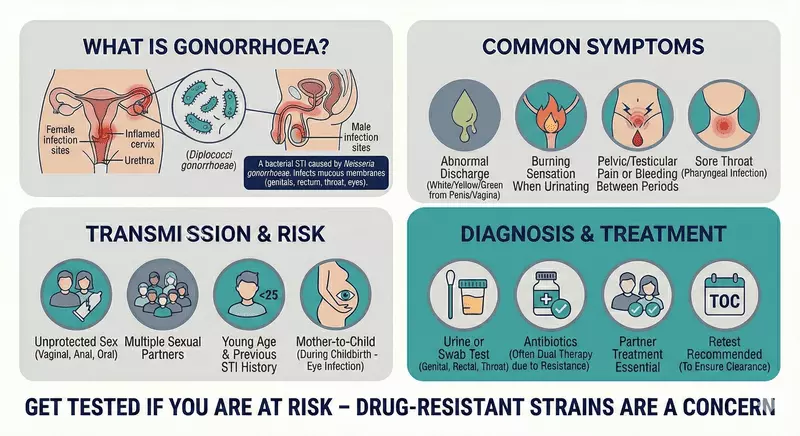
Gonorrhoea is a common sexually transmitted infection (STI) that can affect the genitals, rectum and throat. Like chlamydia, it can be “silent”, meaning you may have no symptoms, but it can still cause complications and be passed on to partners. The good news is that with prompt testing and appropriate treatment, gonorrhoea usually clears quickly and safely.
Symptoms
Many people with gonorrhoea have no symptoms, particularly women and people with throat or rectal infection. When symptoms do occur, they can be mild, non-specific, and easy to mistake for other conditions.
Symptoms may include white, yellow, or green discharge from the penis or vagina, painful urination (dysuria), and lower abdominal or pelvic pain. In men, gonorrhoea can also cause testicular pain or swelling, and sometimes symptoms of prostate irritation, such as pelvic discomfort. If the infection is in the rectum, it may cause rectal pain, itching, bleeding, or discharge. Throat infection can occur after oral sex and is often symptom-free, although some people experience a mild sore throat.
Because symptoms can be absent or subtle, regular screening is important if you are sexually active, have a new partner, or have had unprotected sex.
Possible Complications
Untreated gonorrhoea can lead to serious health problems, even if symptoms are minimal at the time of infection.
In men, complications can include epididymo-orchitis (painful inflammation near the testicles) and prostatitis, which may cause ongoing discomfort and, rarely, fertility issues.
In women, untreated infection can spread to the uterus and fallopian tubes, leading to pelvic inflammatory disease (PID). PID increases the risk of infertility, ectopic pregnancy, and chronic pelvic pain.
In both sexes, gonorrhoea can very rarely spread into the bloodstream, causing disseminated gonococcal infection, a more serious systemic illness that may involve joint pain, skin lesions, and fever.
Prompt diagnosis and treatment greatly reduce the risk of long-term complications.
Testing
Testing is straightforward, discreet, and tailored to your sexual exposure.
Men are often tested using a urine sample, while women are usually tested using a vaginal or cervical swab. If there has been oral or anal sex, throat and/or rectal swabs may be recommended, as infections at these sites often have no symptoms.
Tests are generally very accurate from around two weeks after potential exposure. If symptoms appear earlier than this, you should still seek medical advice. Testing may be done sooner and repeated if needed.
Treatment
Treatment guidance for gonorrhoea has changed in recent years due to antibiotic resistance. It is now typically treated with a single antibiotic injection, which we can administer on-site.
Because reinfection is common, partner notification and testing are strongly advised. A test of cure is usually recommended around two weeks after treatment to confirm the infection has cleared, and you should avoid sexual contact until this is complete and you’ve been told it is safe to resume.
Protecting Your Health
Gonorrhoea is common, treatable, and often symptom-free, which is why screening matters. Regular testing, early treatment, and ensuring partners are tested and treated are key to protecting your long-term sexual health and preventing further spread. If you’re concerned about symptoms or possible exposure, prompt testing provides reassurance and allows quick, effective treatment.
Stay up to date with the latest health news and insights from around the world.
Stay up to date with the latest health news and insights from around the world. From medical breakthroughs to public health updates, we bring you trusted information to help you stay informed and make confident decisions about your health.





Our professional standards
We are an award-winning private medical clinic, recognised for our outstanding reputation in delivering professional, compassionate, and evidence-based healthcare. All our doctors and nurses are fully registered with the appropriate regulatory bodies, including the GMC and RCN, and our clinical team undergoes rigorous annual appraisals to maintain the highest standards of care.
Dr Wayne Cottrell, MBChB, MRCGP, is fully registered with the General Medical Council (GMC), Health Professions Council of South Africa (HPCSA), a member of the Royal College of General Practitioners ( RCGP), and the British Association for Sexual Health and HIV (BASHH), reflecting his ongoing commitment to clinical eCyberdoc Medical Limited, which is registered as a Designated Body







How To Find Us
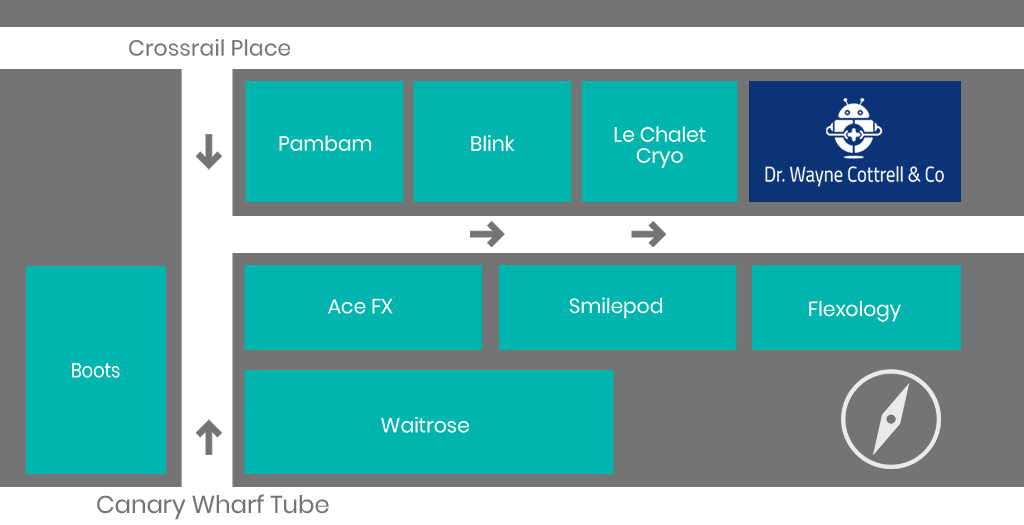
Canada Place Shopping Mall