Polio is now extremely rare in the UK, but occasional detections of poliovirus in London sewage understandably raise questions about vaccination and whether adults or children need a booster.
The good news is that the risk of catching polio in the UK remains extremely low. There have been no confirmed cases of paralysis caused by polio caught in the UK since 1984.
However, poliovirus continues to circulate in some parts of the world, and monitoring sewage remains an important way for the UK Health Security Agency (UKHSA) to identify the virus before it has the opportunity to spread.
For people living or working in London, the most important action is not to automatically arrange another booster, but to check that you and your children are fully vaccinated against polio.
Has Polio Been Detected in London?
Yes, but it is important to understand exactly what has been found.
In 2022, UKHSA identified vaccine-derived poliovirus type 2 (VDPV2) in sewage samples collected in London.
This was not wild poliovirus.
The findings resulted in increased surveillance and a vaccination catch-up campaign for children in London. No further VDPV2 associated with that transmission was detected after November 2022.
More recently, UKHSA reported two separate vaccine-derived poliovirus type 2 detections from sewage samples collected at the London Beckton Sewage Treatment Works in January and March 2026.
UKHSA states that the two detections were unrelated to each other and that there is no evidence of local transmission.
The current risk to the UK public therefore remains low.
Why Is Poliovirus Found in Sewage?
Poliovirus is mainly spread through contact with the faeces of an infected person.
Someone carrying the virus can shed it in their stools, which means traces of poliovirus can eventually enter the wastewater system.
Testing sewage allows public-health teams to monitor large populations without waiting for somebody to become seriously ill.
This is particularly useful with polio because most people infected with poliovirus do not develop symptoms.
Sewage surveillance therefore acts as an early-warning system, allowing UKHSA to identify poliovirus and investigate whether there is evidence that it is spreading within the community.
What Is Vaccine-Derived Poliovirus?
The term can understandably sound alarming.
Some countries outside the UK use an oral polio vaccine containing a weakened live form of poliovirus. In very rare circumstances, if vaccination coverage within a community is low, the weakened virus can circulate for a prolonged period and undergo genetic changes.
This can lead to what is known as vaccine-derived poliovirus.
The UK does not use live oral polio vaccine as part of its routine vaccination programme. Polio vaccines used routinely in the UK contain inactivated virus and cannot cause polio.
Is Polio Still a Risk Around the World?
Polio has not yet been eradicated globally.
Wild poliovirus remains endemic in Afghanistan and Pakistan, while outbreaks of vaccine-derived poliovirus can occur in a number of other countries.
That is why vaccination remains important even though polio itself is now extremely rare within the UK.
For travellers, the situation can also change. Anyone planning international travel should check the latest destination-specific advice rather than relying on an old vaccination recommendation.
How Is Polio Spread?
Poliovirus spreads easily from person to person.
It is mainly transmitted when tiny amounts of faecal matter from an infected person enter another person’s mouth. This may happen through:
- inadequate handwashing
- contaminated food or water
- close contact with somebody carrying the virus
Less commonly, it can spread through respiratory droplets from coughing or sneezing.
Good hand hygiene is therefore important, but vaccination provides the most effective protection against polio.
What Are the Symptoms of Polio?
Most people infected with poliovirus have no symptoms at all.
When symptoms do occur, they are often mild and flu-like and may include:
- a high temperature
- tiredness or fatigue
- headache
- vomiting
- stiff neck
- muscle pain
These symptoms usually resolve within around 10 days.
In rare cases, polio can affect the brain and nerves and cause muscle weakness or paralysis.
If paralysis affects the muscles involved in breathing, the illness can become life-threatening. Some people affected by paralytic polio can also be left with permanent disability.
How Many Polio Vaccines Should Children Have?
Polio vaccination forms part of the routine NHS childhood vaccination programme.
Following changes to the UK childhood vaccination schedule, children are currently offered polio-containing vaccines at:
- 8 weeks
- 12 weeks
- 16 weeks
- 18 months
- 3 years and 4 months
- around 14 years
This means children now receive six doses of polio-containing vaccine as part of the routine schedule.
Parents can check their child’s red book or vaccination records if they are unsure whether all recommended vaccinations have been received.
If doses have been missed, they can normally be caught up rather than restarting the entire vaccination course.
I’m an Adult – Do I Need a Polio Booster?
Not necessarily.
If you completed the recommended UK vaccination schedule, additional routine polio boosters are not normally required simply because more than 10 years have passed.
TravelHealthPro advises that receiving the recommended polio-containing vaccinations at the appropriate intervals generally provides satisfactory long-term protection for people remaining in the UK.
A booster may, however, be recommended if you are travelling to a country or area where there have been recent reports of polio and your last polio-containing vaccination was 10 or more years ago.
So the advice should be based on:
- your vaccination history
- your age
- whether you completed the recommended course
- where you are travelling
- current polio activity at your destination
If you cannot find your records or are unsure whether you completed your vaccinations, a GP or travel-health professional can advise you.
Do I Need a Polio Booster Because I Live in London?
For most fully vaccinated people, no.
Current UK guidance does not recommend that everyone living or working in London receives an additional polio booster.
The NHS states that the chance of catching polio in the UK remains extremely low.
The priority is to make sure that adults and children are up to date with the routine vaccination schedule, particularly if previous doses have been missed.
The occasional detection of poliovirus through sewage surveillance does not automatically mean there is a polio outbreak or that everybody requires another vaccine.
Do I Need a Polio Vaccine Before Travelling?
Possibly.
Polio vaccination requirements and recommendations depend on your destination and vaccination history.
If travelling to an area where polio has recently been reported, you may be advised to have a combined tetanus, diphtheria and polio (Td/IPV) booster if your last dose was 10 or more years ago.
Some countries may also require travellers in certain circumstances to provide an International Certificate of Vaccination or Prophylaxis (ICVP) showing evidence of recent polio vaccination.
Requirements can change, so travel vaccination advice should always be checked for your specific destination before departure.
Ideally, arrange a travel-health assessment well before you travel, particularly if visiting several countries or travelling for an extended period.
What If I’ve Never Been Vaccinated Against Polio?
It is not too late.
Adults who have never received polio vaccination can still be vaccinated.
Similarly, if you or your child started a vaccination course but did not complete it, you should seek advice about catching up on the missing doses.
You should also be vaccinated even if you have previously had polio because vaccination can protect against different types of poliovirus.
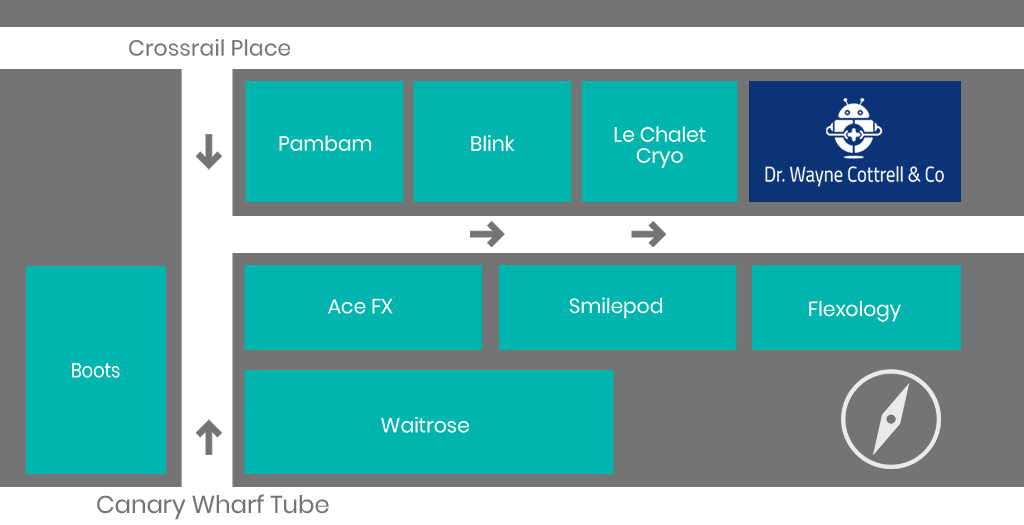
Polio and Travel Vaccinations in Canary Wharf
At Dr Wayne Cottrell & Co, we can review your vaccination history and provide personalised advice about polio vaccination and travel health in Canary Wharf.
This can be particularly helpful if:
- you cannot find your vaccination records
- your child has missed routine vaccinations
- you are unsure whether your vaccination course is complete
- you are travelling to a country where polio remains a risk
- your last polio vaccination was more than 10 years ago and you are travelling to an affected area
- you need advice about vaccination certificates for international travel
Vaccination recommendations should be based on your individual circumstances and destination rather than simply having a booster because a certain amount of time has passed.
Book a Vaccination or Travel Health Appointment in Canary Wharf
If you would like us to review your vaccination history or discuss vaccinations for an upcoming trip, you can book an appointment online with Dr Wayne Cottrell & Co.
Alternatively, call the clinic on: 020 4579 3971
For the latest official information about polio, you can also consult the NHS, UK Health Security Agency and TravelHealthPro.
If you are travelling abroad, always check current destination-specific health advice because outbreaks and vaccination requirements can change.